
Fish Swimming Upside Down: Causes, Urgency & Safe First Steps
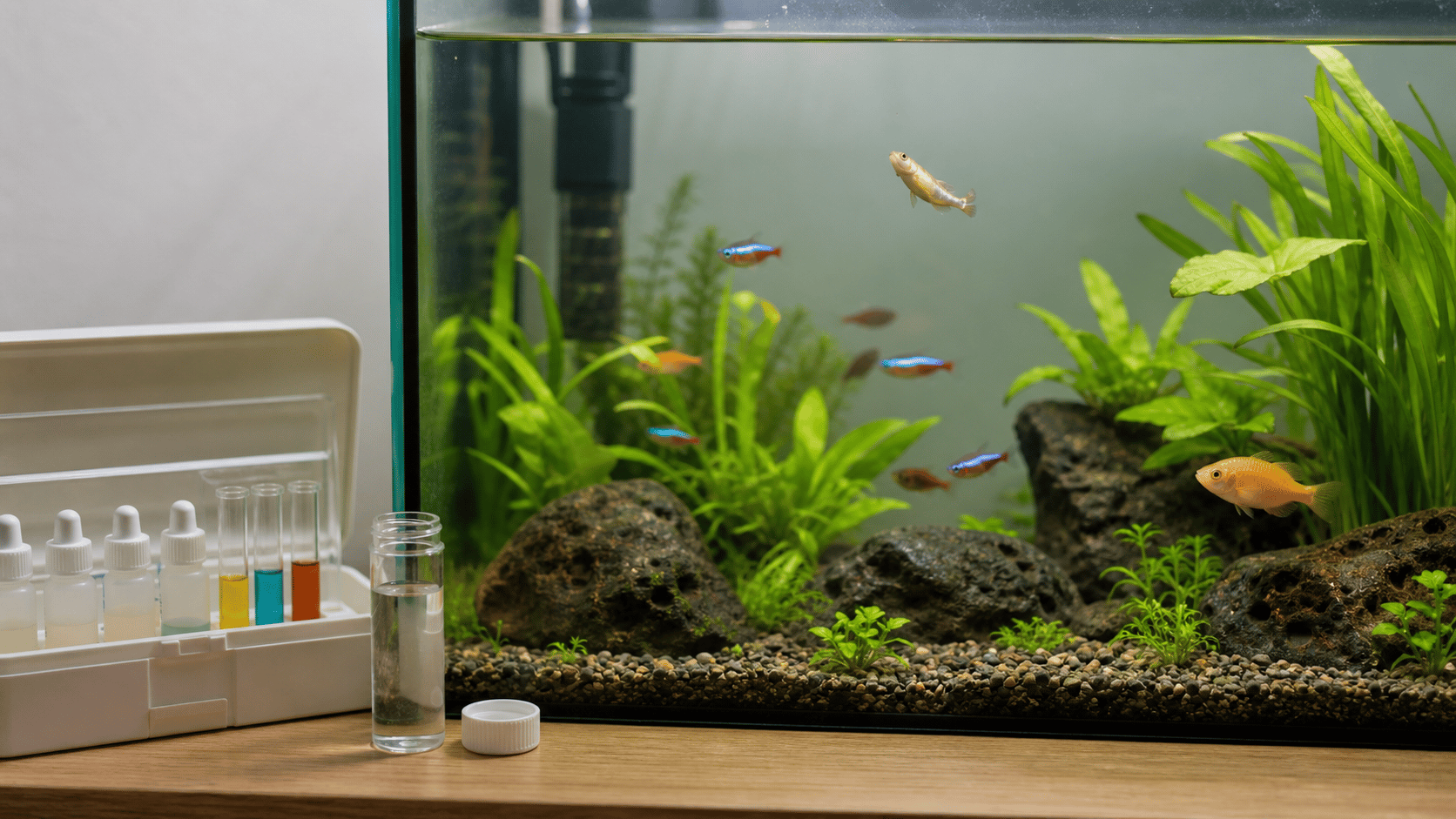
A fish swimming upside down has a buoyancy problem, but it is not automatically “swim bladder disease.” Check water quality and look for bloating, injury, infection signs, or trouble staying upright; a sudden or severe case needs prompt attention.
Is This Urgent?
- Urgent: the fish cannot stay upright, cannot reach the surface or food, is gasping, has severe swelling, or has open wounds.
- Urgent: more than one fish shows abnormal swimming, which can point to a shared water-quality or oxygen problem.
- Check whether the fish is responsive. A dead fish may float because decomposition gases alter buoyancy; remove it promptly and test the tank water.
Key Takeaways
- A fish swimming upside down has a buoyancy problem, but it is not automatically “swim bladder disease.” Check water quality and look for bloating, injury, infection signs, or trouble staying upright; a sudden or severe case needs prompt attention.
- Check ammonia, nitrite, nitrate, pH, and temperature before adding medication.
- Treat gasping, ammonia spikes, rapid breathing, or severe lethargy as urgent.
Use the AI Diagnosis Tool
Get a personalized diagnosis based on your specific situation.
Open AI DiagnosisCause Routing: What the Signs Can Mean
Buoyancy or swim bladder dysfunction
The swim bladder helps control buoyancy, but upside-down swimming is a symptom rather than a diagnosis.
Digestive upset or constipation
Overfeeding, unsuitable food, or bloating can affect buoyancy in some fish.
Infection, injury, or internal disease
Other illness signs, persistent distress, or inability to stay upright need closer assessment rather than a one-size-fits-all treatment.
Poor water quality
Detectable ammonia or nitrite can stress fish and worsen an underlying problem.
What to Test and Check First
- Ammonia, nitrite, nitrate, temperature, and recent water changes
- Bloating, pineconing scales, injury, rapid breathing, or loss of appetite
- Feeding history, food type, and whether the fish can still reach food and rest safely
Do This First
- Observe whether one fish or the whole tank is affected.
- Test ammonia and nitrite before changing treatments.
- Improve aeration and remove uneaten food while you diagnose.
Immediate Safe Actions
- Test water quality and correct detectable ammonia or nitrite with measured partial water changes
- Stop overfeeding; a short fast may be appropriate for a bloated fish, but it is not a cure for every species or cause
- Keep the water clean, well oxygenated, and calm enough for the fish to rest
What Not to Do
- Do not assume every upside-down fish has the same cause or medicate blindly
- Do not keep feeding normally if the fish is bloated or cannot control its position
When to Seek Help
- If the fish cannot stay upright, cannot eat, or shows rapid breathing, swelling, pineconing, sores, or other symptoms
- If the condition does not improve after water quality and feeding issues are addressed
Related Fish Guides
Frequently Asked Questions
How do I fix swim bladder disease?
Start by testing ammonia and nitrite and checking for bloating or other illness signs. A short fast can help some constipated fish, but upside-down swimming can also involve infection, injury, or internal disease, so do not treat fasting as a universal fix.
Why is my fish swimming upside down?
It usually means the fish cannot control buoyancy. Digestive upset, water-quality stress, infection, injury, and internal disease can all contribute, so test the water and look for other symptoms before choosing treatment.
Why is my fish floating upside down or swimming vertically?
These are forms of abnormal buoyancy or posture. Check water quality first, then look for bloating, injury, rapid breathing, or other illness signs; the position alone cannot diagnose the cause.
Why is my fish swimming on its side or head down?
A fish on its side or swimming head down may be struggling to control buoyancy, but it can also be weak, injured, severely stressed, or near death. Test ammonia and nitrite and treat inability to stay upright as urgent.
Why do dead fish float upside down?
After death, decomposition can produce gases that change buoyancy, so a dead fish may float in any orientation, including upside down. Remove it promptly, then test the water because the same conditions may affect remaining fish.
This information is for educational purposes only and does not replace professional veterinary advice. If your fish shows severe or persistent symptoms, consult an aquatic veterinarian or experienced local fish store.
Sources and Review Process
Related Care and Problem Guides
Species-specific checks for a goldfish with persistent buoyancy problems.
Test this water-quality emergency when more than one fish is affected.
Confirm actual water volume before planning a measured partial water change.
A fish swimming upside down has a buoyancy problem, but it is not automatically “swim bladder disease.” Check water quality and look for bloating, injury, infection signs, or trouble staying upright; a sudden or severe case needs prompt attention.
A fish swimming upside down has a buoyancy problem, but it is not automatically “swim bladder disease.” Check water quality and look for bloating, injury, infection signs, or trouble staying upright; a sudden or severe case needs prompt attention.
A fish swimming upside down has a buoyancy problem, but it is not automatically “swim bladder disease.” Check water quality and look for bloating, injury, infection signs, or trouble staying upright; a sudden or severe case needs prompt attention.
Tank size, diet, temperature, and common problems for Betta Fish.
Tank size, diet, temperature, and common problems for Goldfish.
Tank size, diet, temperature, and common problems for Guppy.
Fish not eating can be caused by stress, poor water quality, disease, temperature issues, or new tank syndrome. Check water parameters first.
Fish gasping at the surface usually indicates low oxygen, ammonia/nitrite poisoning, or gill disease. This is an urgent situation.
Fish staying at the bottom can be normal for bottom dwellers, but for other fish it may indicate illness, stress, or poor water quality.
An ammonia spike is an aquarium emergency: test the water, stop adding livestock, remove decaying waste, and use partial conditioned water changes to bring ammonia down. It is common in uncycled tanks (new tank syndrome) or after a filter disruption.
Use this after the initial tests and observations in this guide, not instead of them.
Confirm actual water volume before measuring a partial water change.