
Guppy Care Guide
Poecilia reticulata
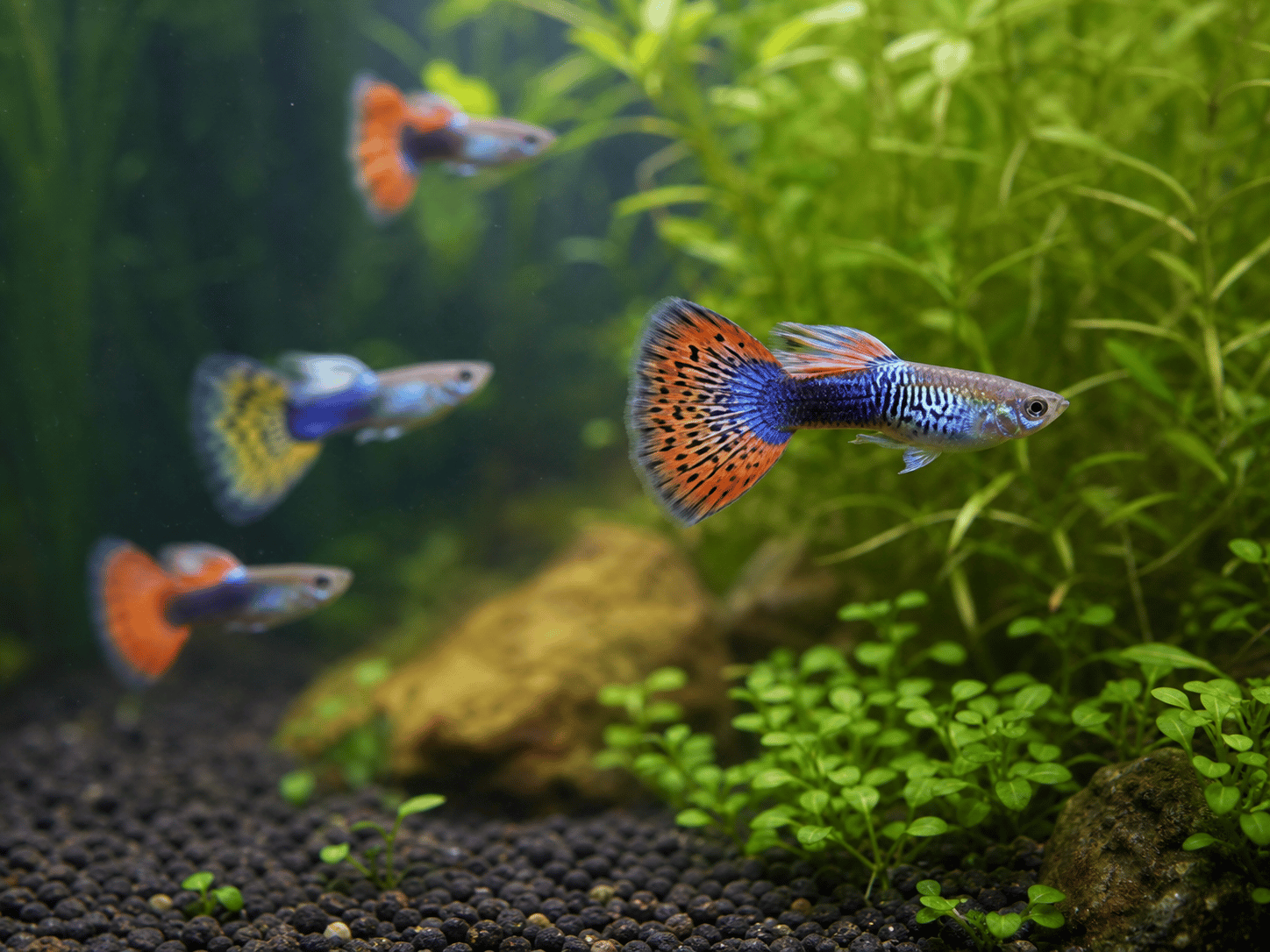
Key Takeaways
- Guppy needs at least 10 gallons, with 20 gallons preferred.
- Keep water between 22-28°C and pH 6.8-7.8.
- Keep a group of at least 3 to reduce stress.
Quick Facts
Care Overview
Guppies are hardy, colorful, and easy to care for, making them perfect for beginners. They come in many varieties and breed readily in captivity.
Ideal Tank Setup
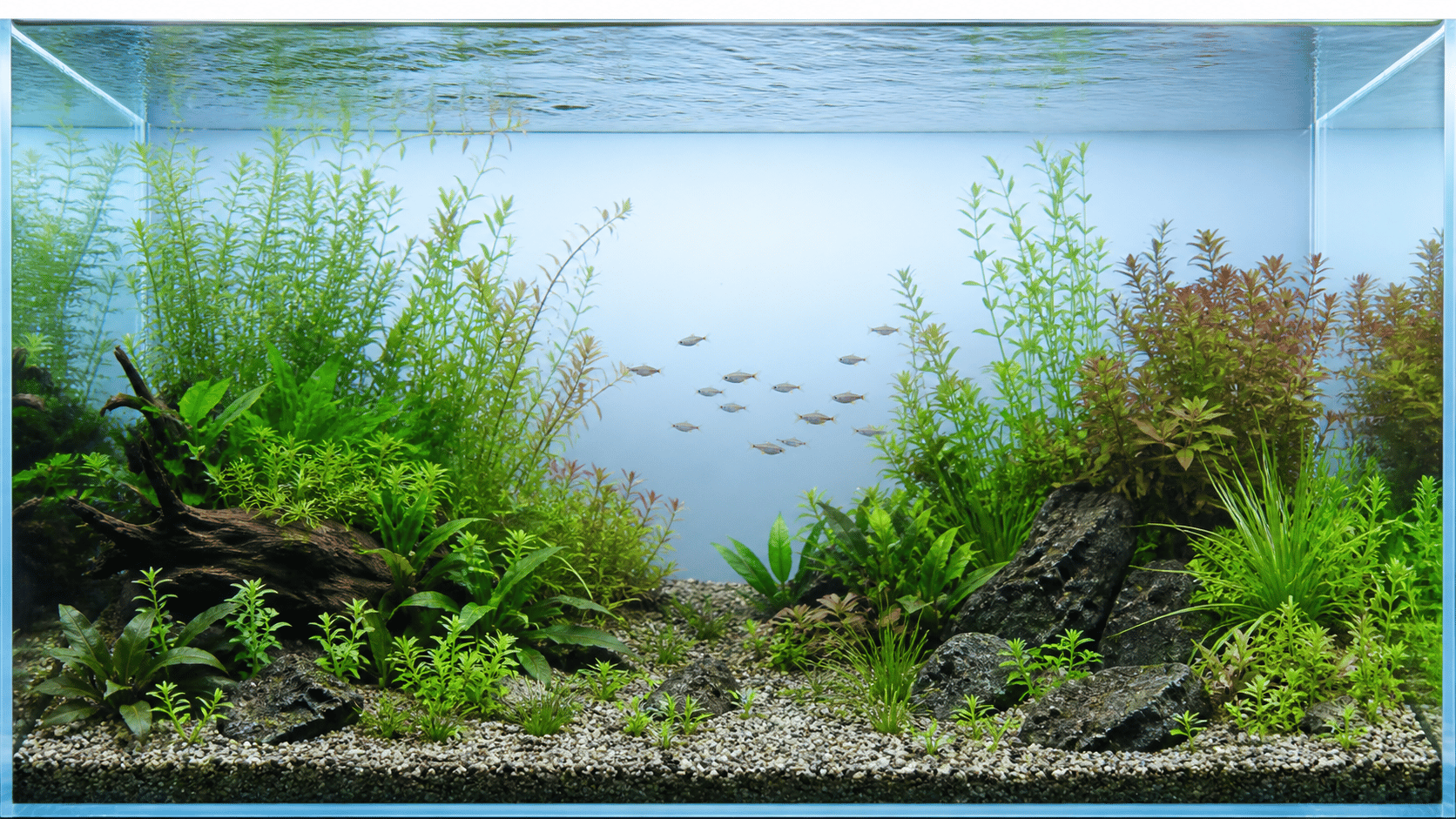
A 10+ gallon tank with live plants. They prefer slightly alkaline water. Include floating plants and hiding spots for fry if you plan to breed them. Moderate filtration is fine.
Diet and Feeding
Omnivores that eat flake food, micro pellets, and small live or frozen foods. They will also graze on algae. Feed 2-3 times daily in small amounts.
Best Tank Mates
- Platies
- Mollies
- Corydoras
- Tetras
- Shrimp
Fish to Avoid
- Bettas (may nip fins)
- Large cichlids
- Tiger barbs
Common Problems
- Overpopulation from breeding
- Fin nipping
- Swim bladder issues
Common Beginner Mistakes
- Using a tank smaller than 10 gallons, which makes water quality harder to keep stable.
- Ignoring adult size, group size, or temperament when choosing tank mates.
- Changing too much water or filter media at once before checking ammonia and nitrite.
Frequently Asked Questions
Do guppies breed easily?
Yes, very easily. If you have males and females together, expect fry. Keep only males or only females if you don't want breeding.
Related Tools
Sources and Review Process
- Freshwater aquarium husbandry references for water quality, tank size, and stocking guidance.
- Species profiles and compatibility rules maintained in the AquaScience AI data set.
- Aquarium health guidance is educational and should not replace an aquatic veterinarian for severe symptoms.
More Guppy Guides
Compare suitable and risky companions for Guppy.
A fish swimming upside down has a buoyancy problem, but it is not automatically “swim bladder disease.” Check water quality and look for bloating, injury, infection signs, or trouble staying upright; a sudden or severe case needs prompt attention.
Fin rot is a bacterial infection that causes fins to deteriorate. It's usually caused by poor water quality or stress.
Clamped fins (fins held close to the body) indicate stress, illness, or poor water quality.
Compatibility verdict: not recommended (35/100).
Compatibility verdict: good (90/100).
Compatibility verdict: good (85/100).
Compatibility verdict: good (90/100).
Fish not eating can be caused by stress, poor water quality, disease, temperature issues, or new tank syndrome. Check water parameters first.
An ammonia spike is an aquarium emergency: test the water, stop adding livestock, remove decaying waste, and use partial conditioned water changes to bring ammonia down. It is common in uncycled tanks (new tank syndrome) or after a filter disruption.
White spots are usually Ich (white spot disease), a common parasitic infection. Early treatment is important.
A fish swimming upside down has a buoyancy problem, but it is not automatically “swim bladder disease.” Check water quality and look for bloating, injury, infection signs, or trouble staying upright; a sudden or severe case needs prompt attention.