Common Aquarium Problems
Find solutions to common freshwater aquarium problems. Select a symptom to learn about causes, safe next steps, and prevention.
Start with the urgent symptoms
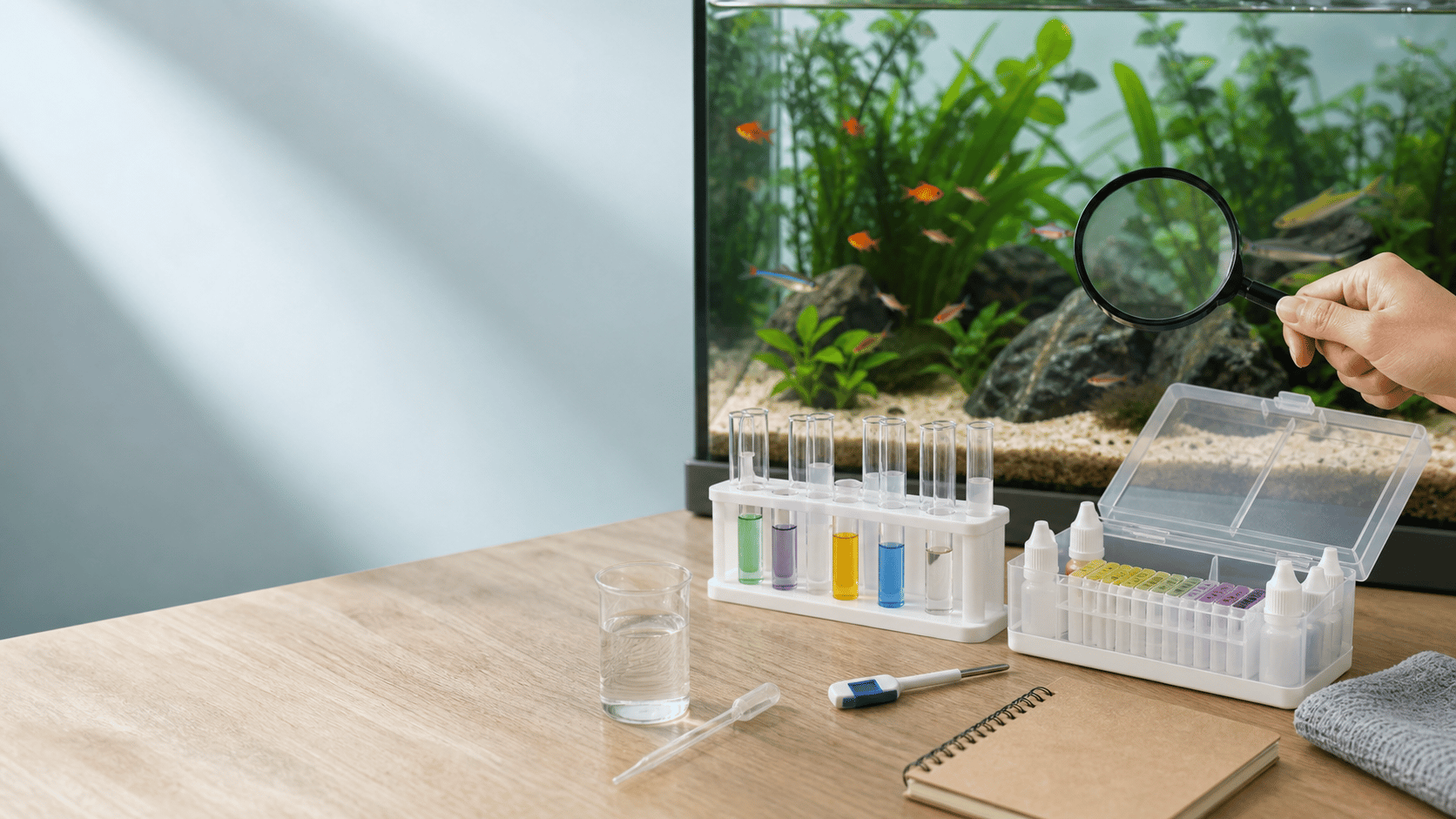
Test the water before treating a disease
Gasping, sudden abnormal swimming, and ammonia can affect several fish at once. These guides focus on safe first actions, water testing, and when rapid help is needed.
Showing 15 of 15 problem guides.
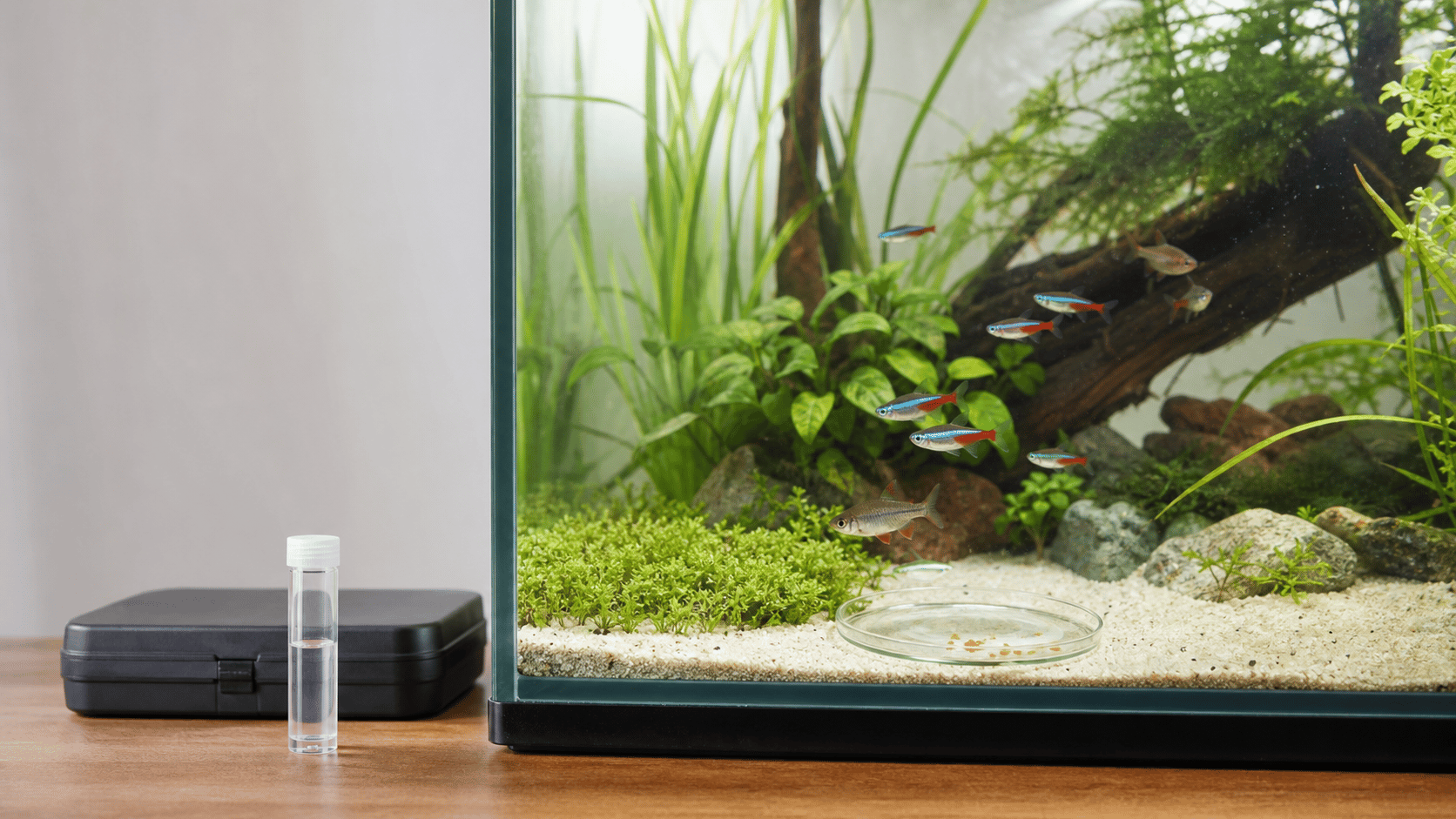
Fish not eating can be caused by stress, poor water quality, disease, temperature issues, or new tank syndrome. Check water parameters first.
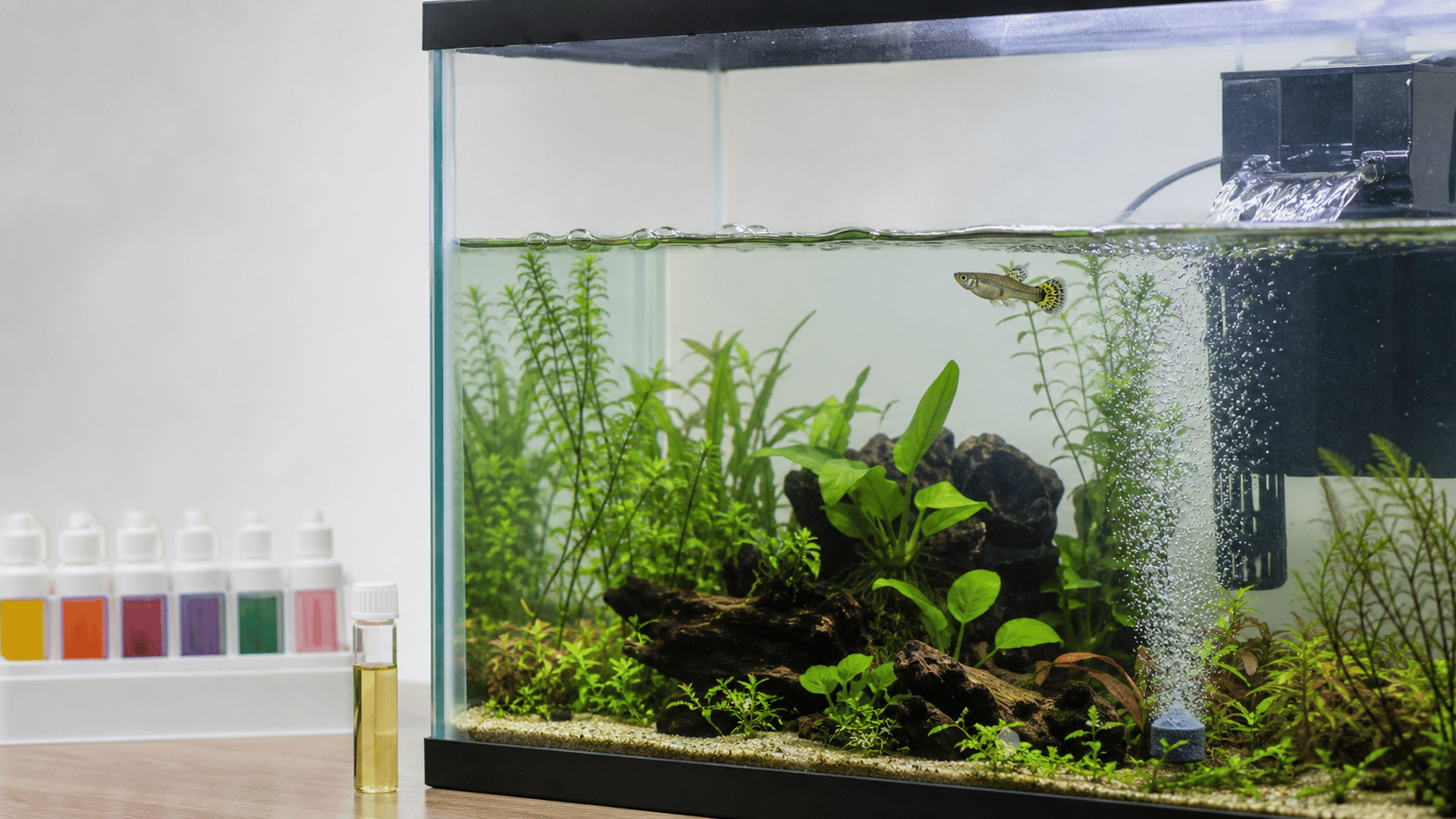
Fish gasping at the surface usually indicates low oxygen, ammonia/nitrite poisoning, or gill disease. This is an urgent situation.
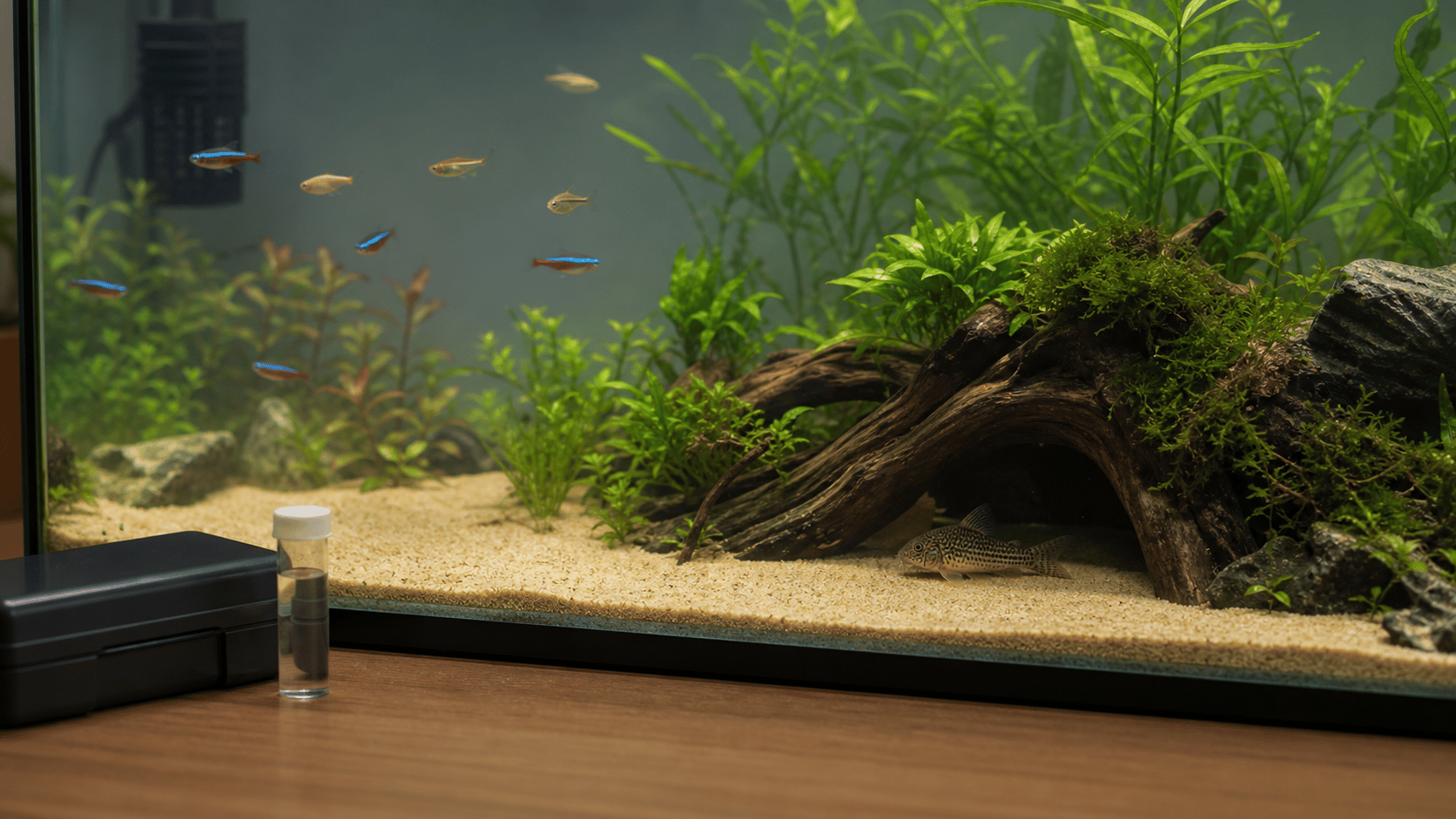
Fish staying at the bottom can be normal for bottom dwellers, but for other fish it may indicate illness, stress, or poor water quality.
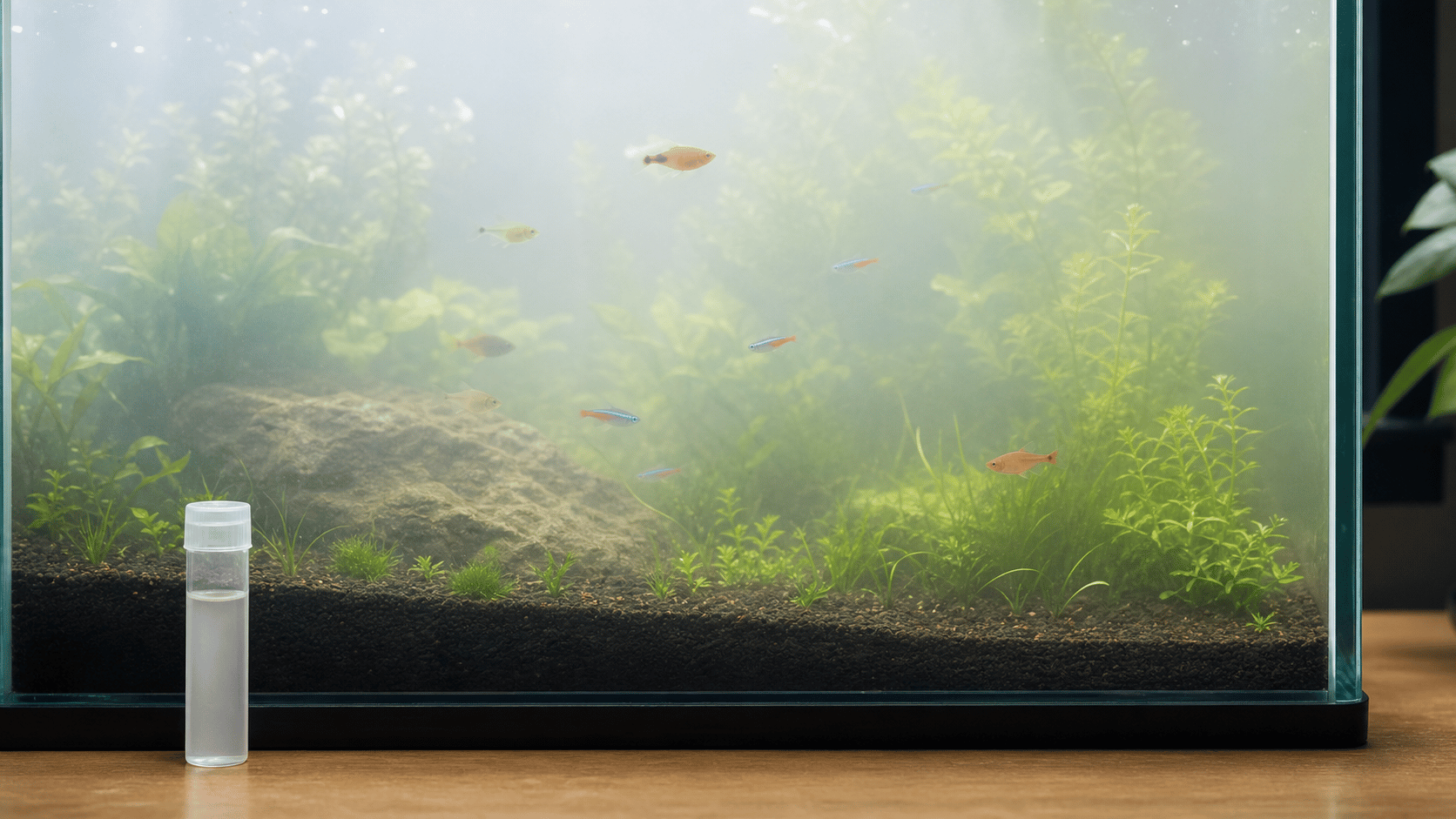
Cloudy water is usually caused by a bacterial bloom, overfeeding, or inadequate filtration. It's usually not immediately dangerous but should be addressed.
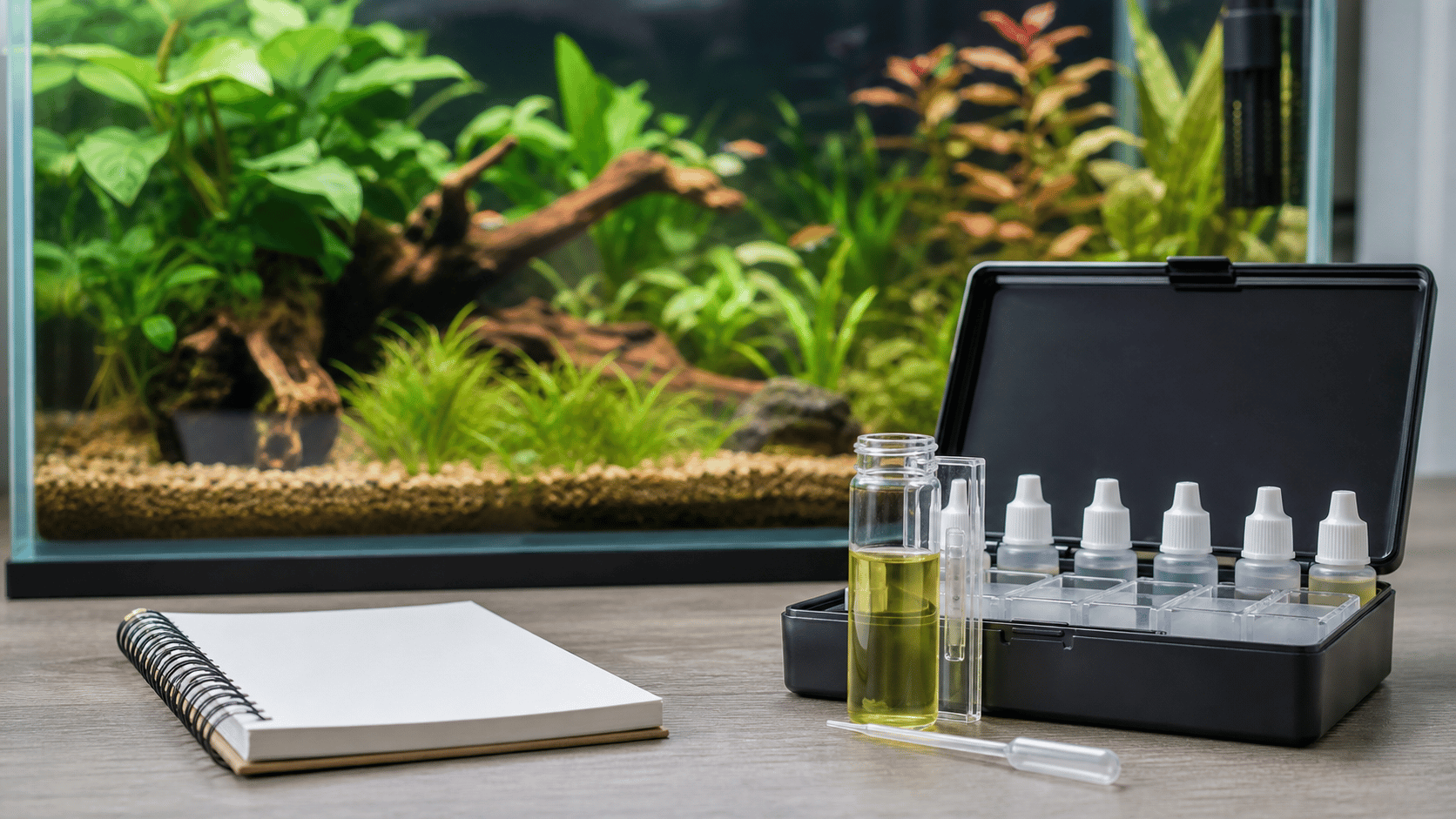
An ammonia spike is an aquarium emergency: test the water, stop adding livestock, remove decaying waste, and use partial conditioned water changes to bring ammonia down. It is common in uncycled tanks (new tank syndrome) or after a filter disruption.
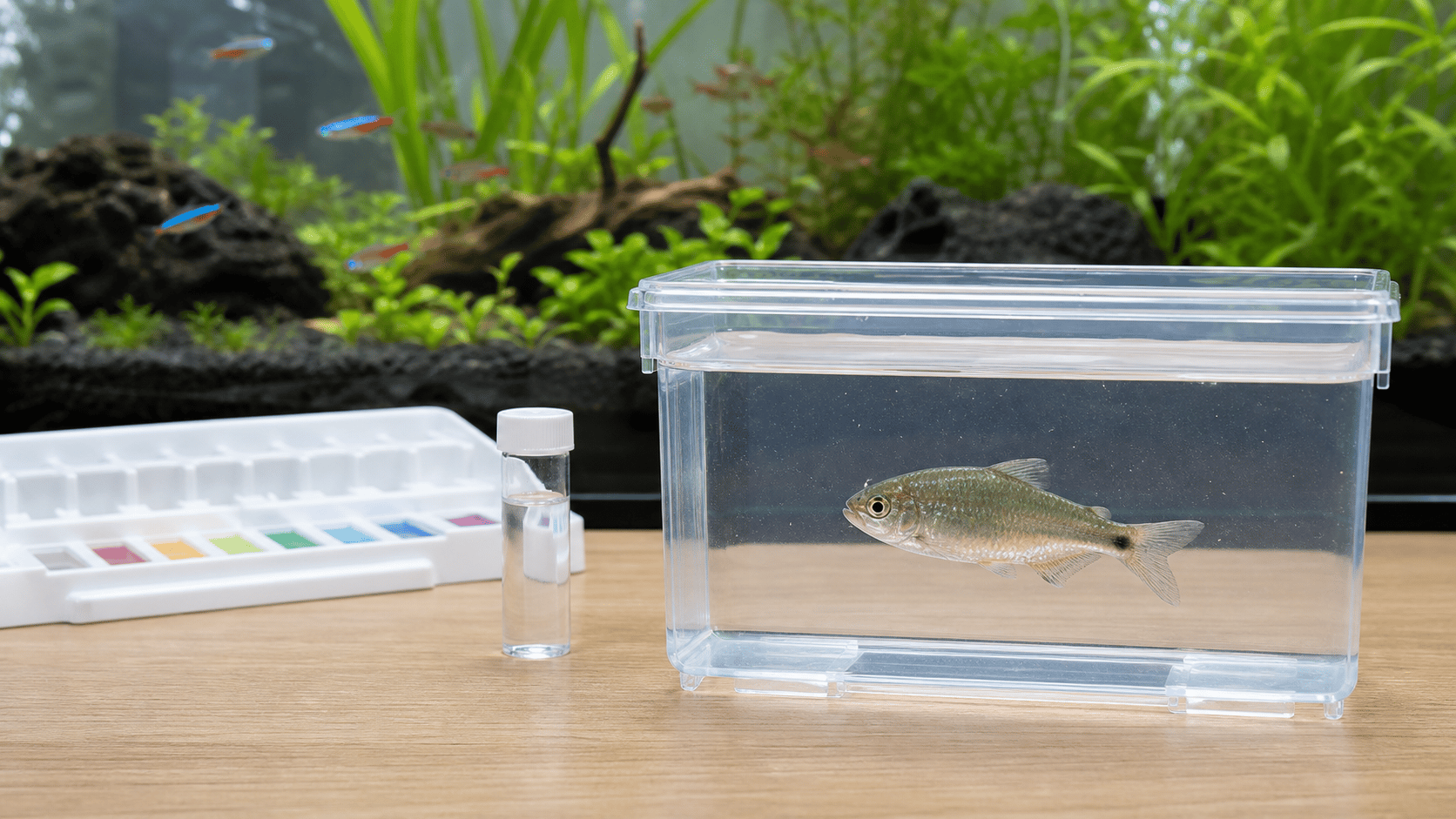
White spots are usually Ich (white spot disease), a common parasitic infection. Early treatment is important.
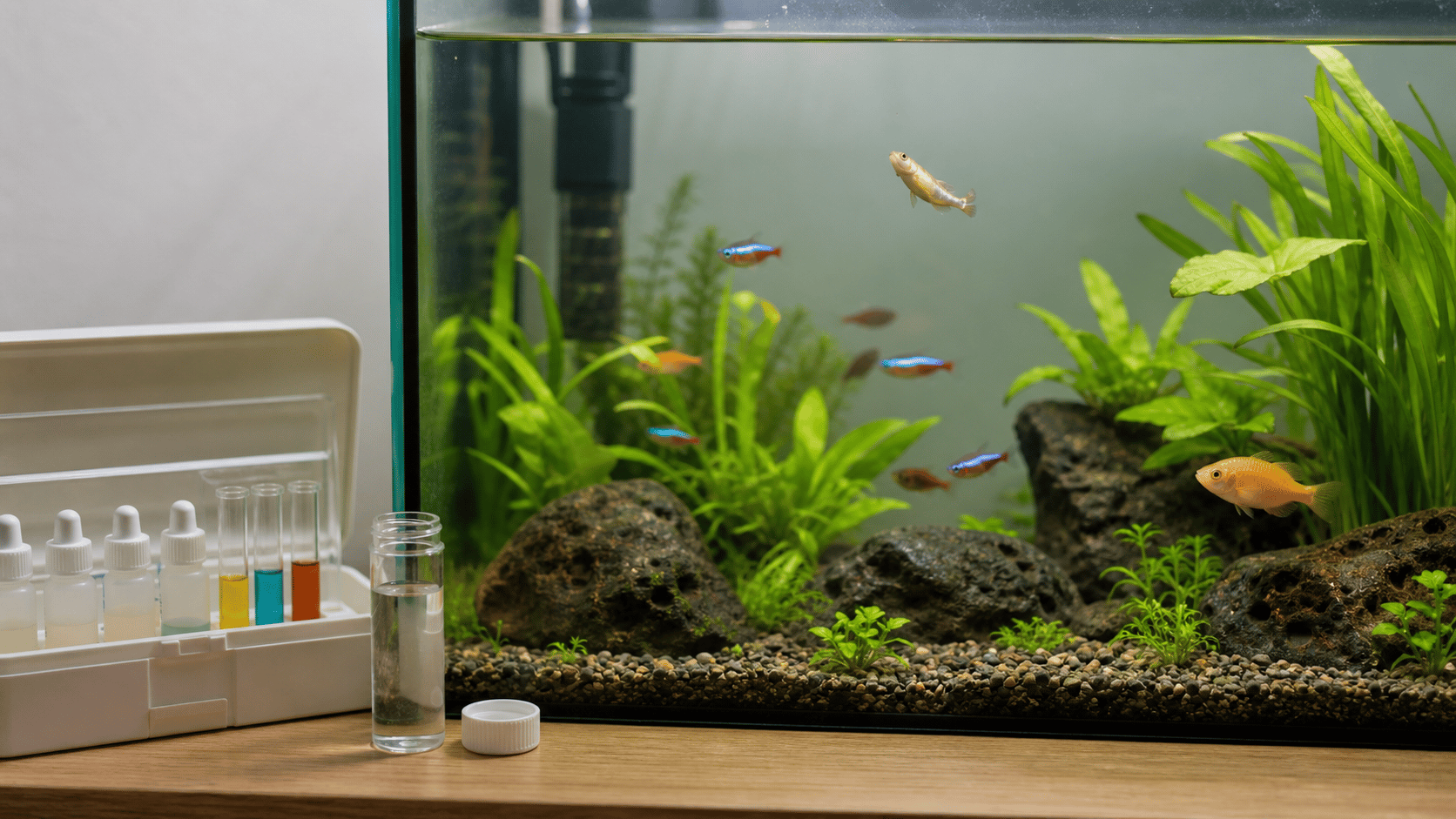
A fish swimming upside down has a buoyancy problem, but it is not automatically “swim bladder disease.” Check water quality and look for bloating, injury, infection signs, or trouble staying upright; a sudden or severe case needs prompt attention.
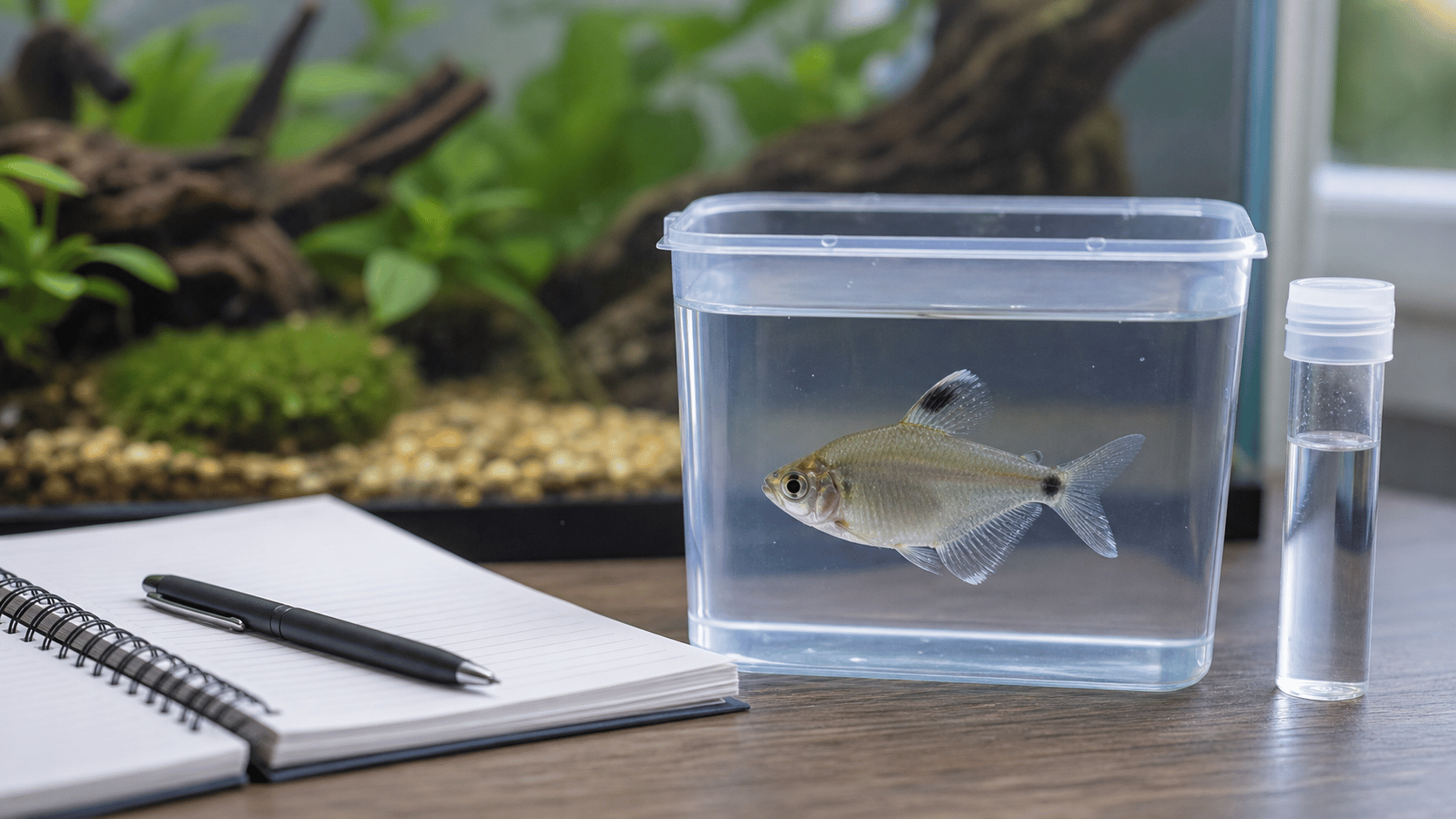
Fin rot is a bacterial infection that causes fins to deteriorate. It's usually caused by poor water quality or stress.
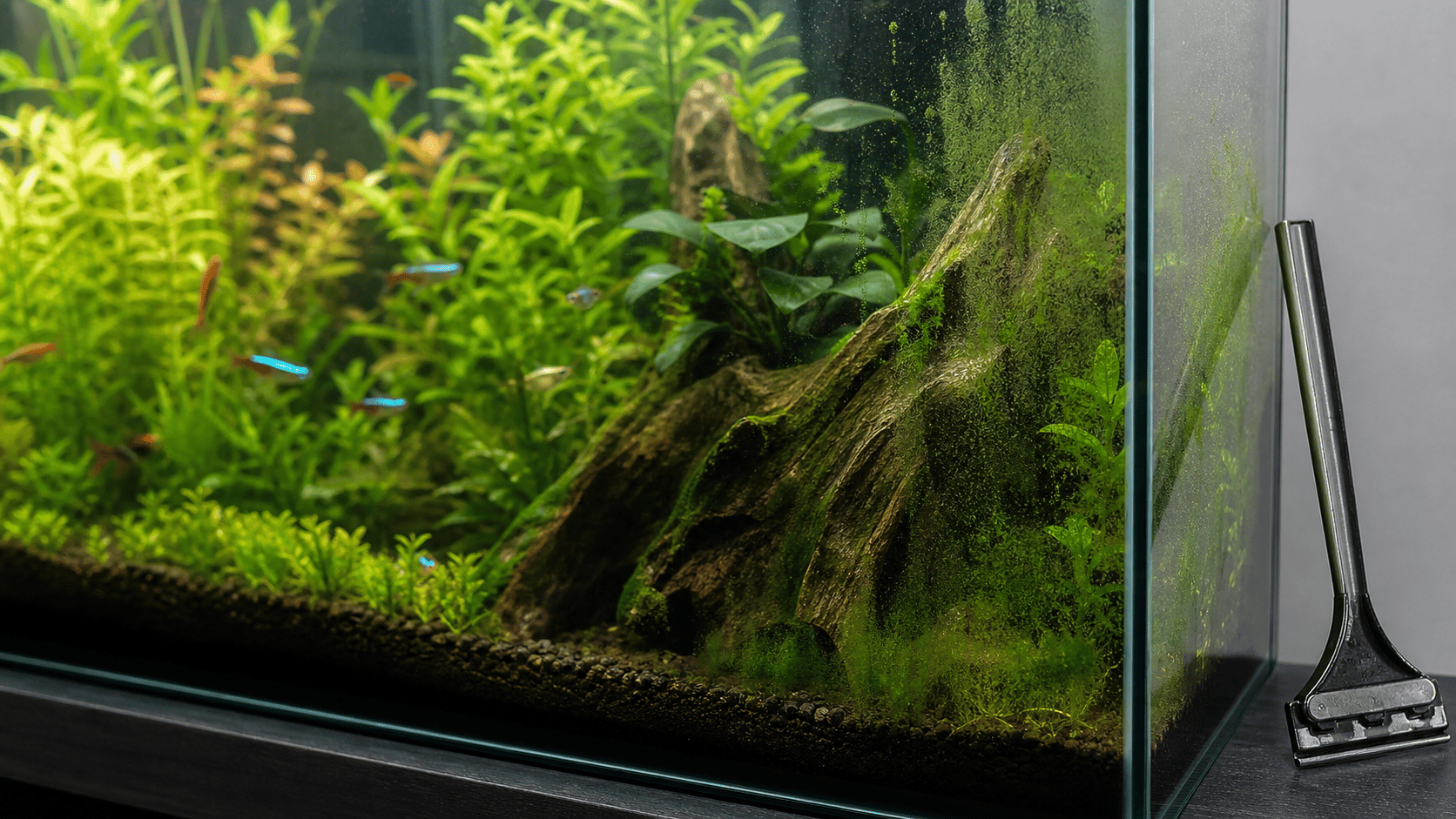
Algae growth is normal but excessive algae indicates an imbalance of light, nutrients, or CO2.
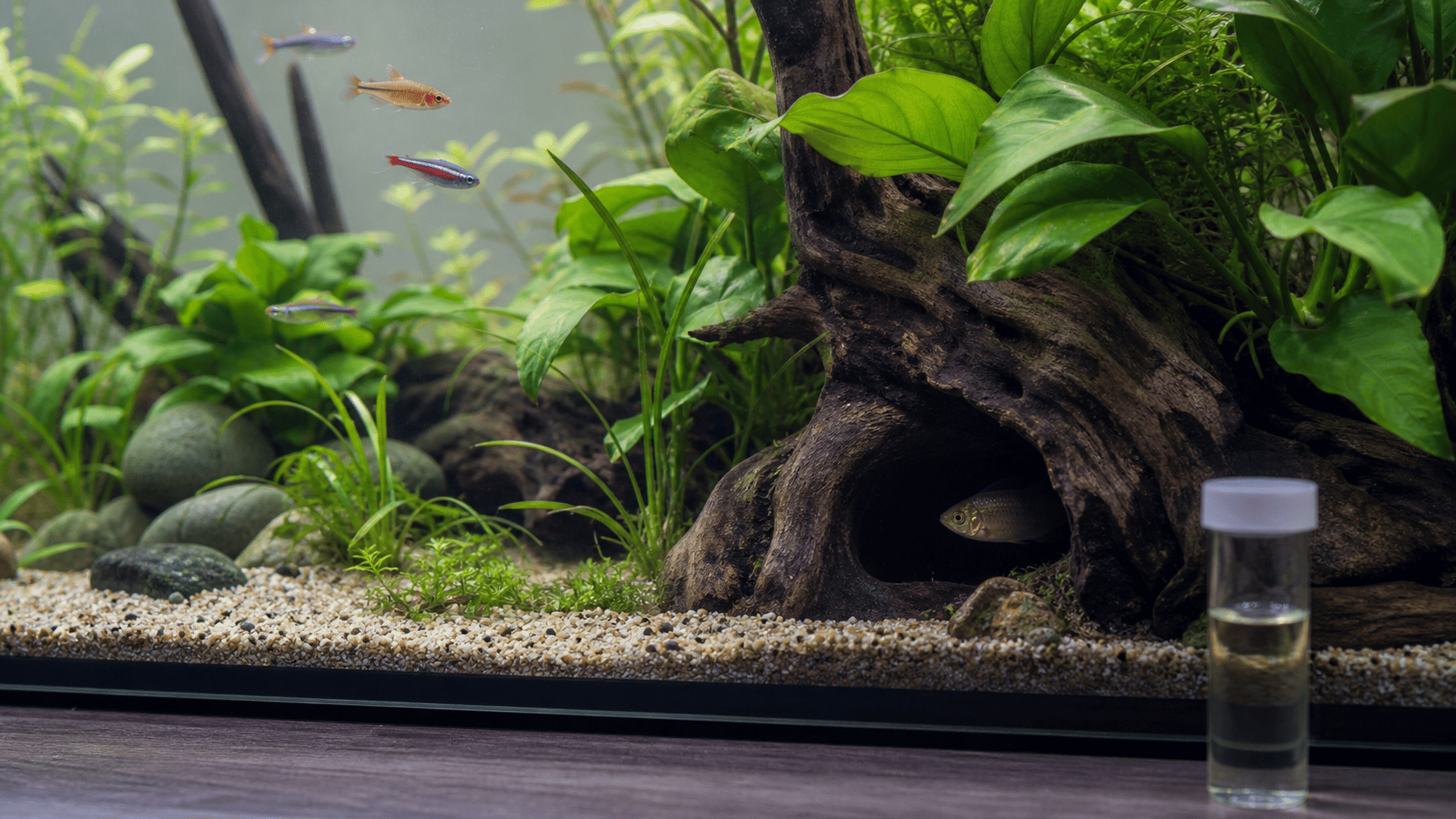
Some hiding is normal, but excessive hiding can indicate stress, illness, or bullying from tank mates.
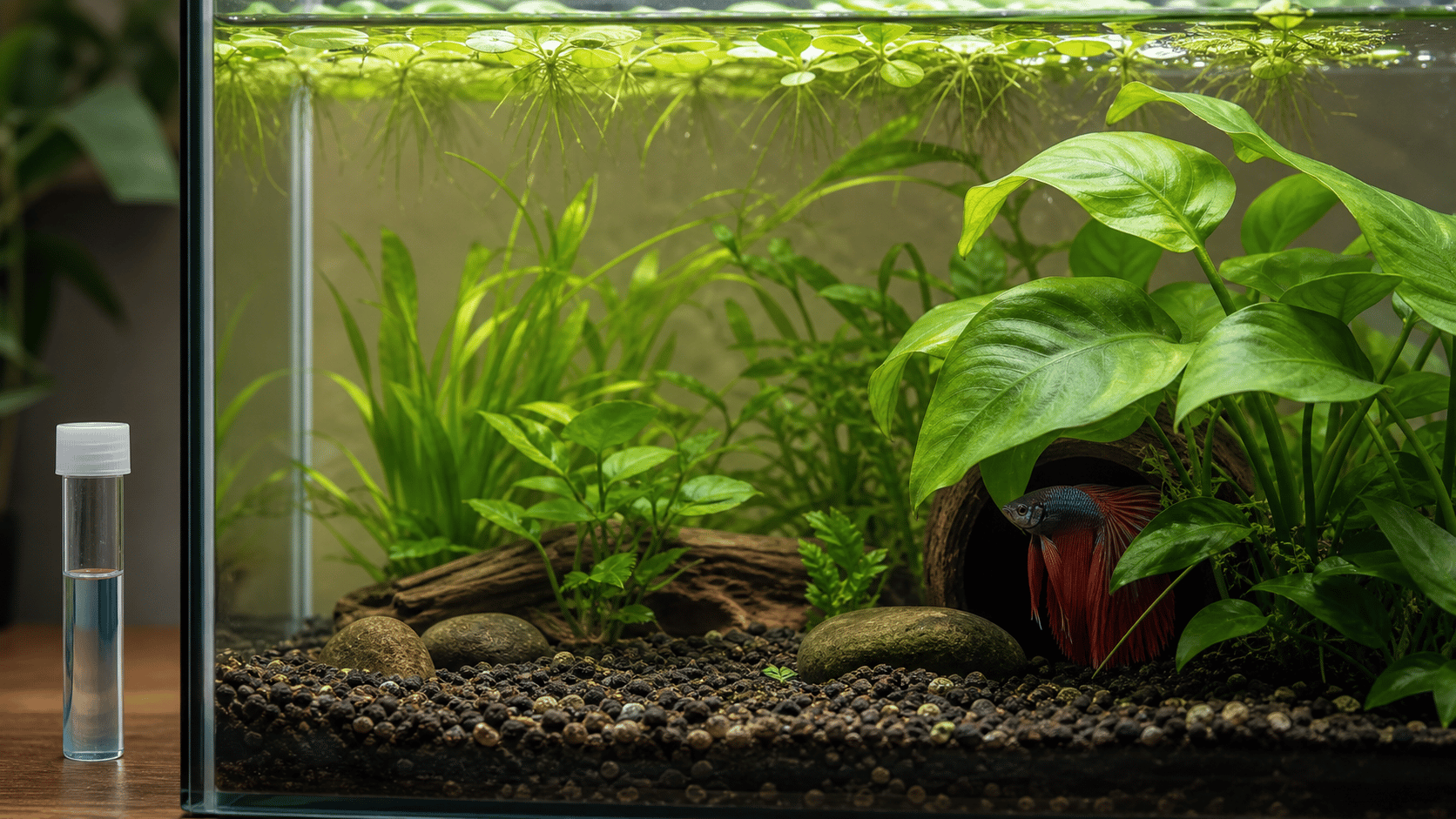
Bettas may hide due to stress, illness, strong filter flow, or simply because they like resting in plants. Some hiding is normal.
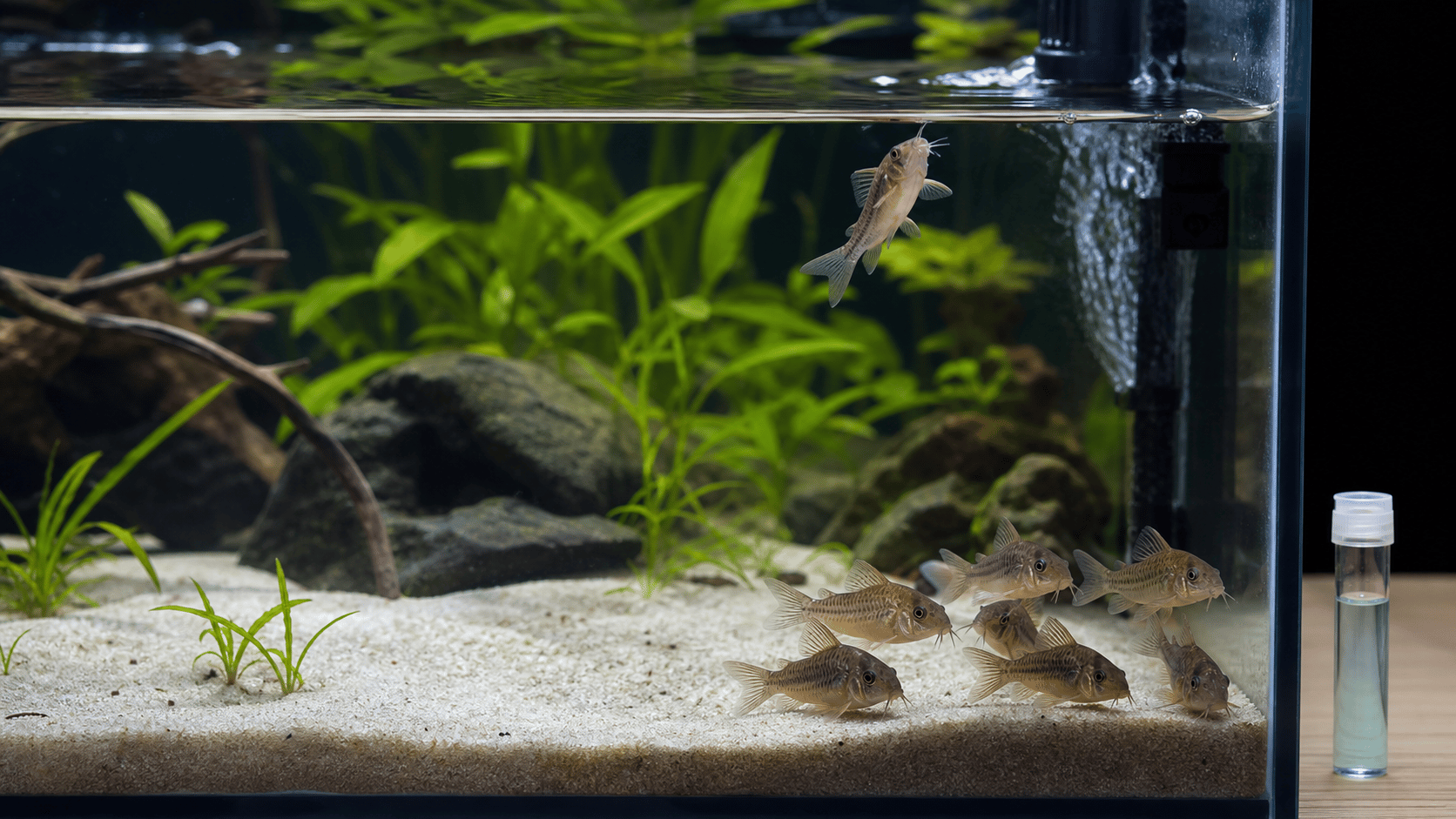
Corydoras occasionally swim to the surface to gulp air, which is normal. Frequent surface swimming may indicate low oxygen.
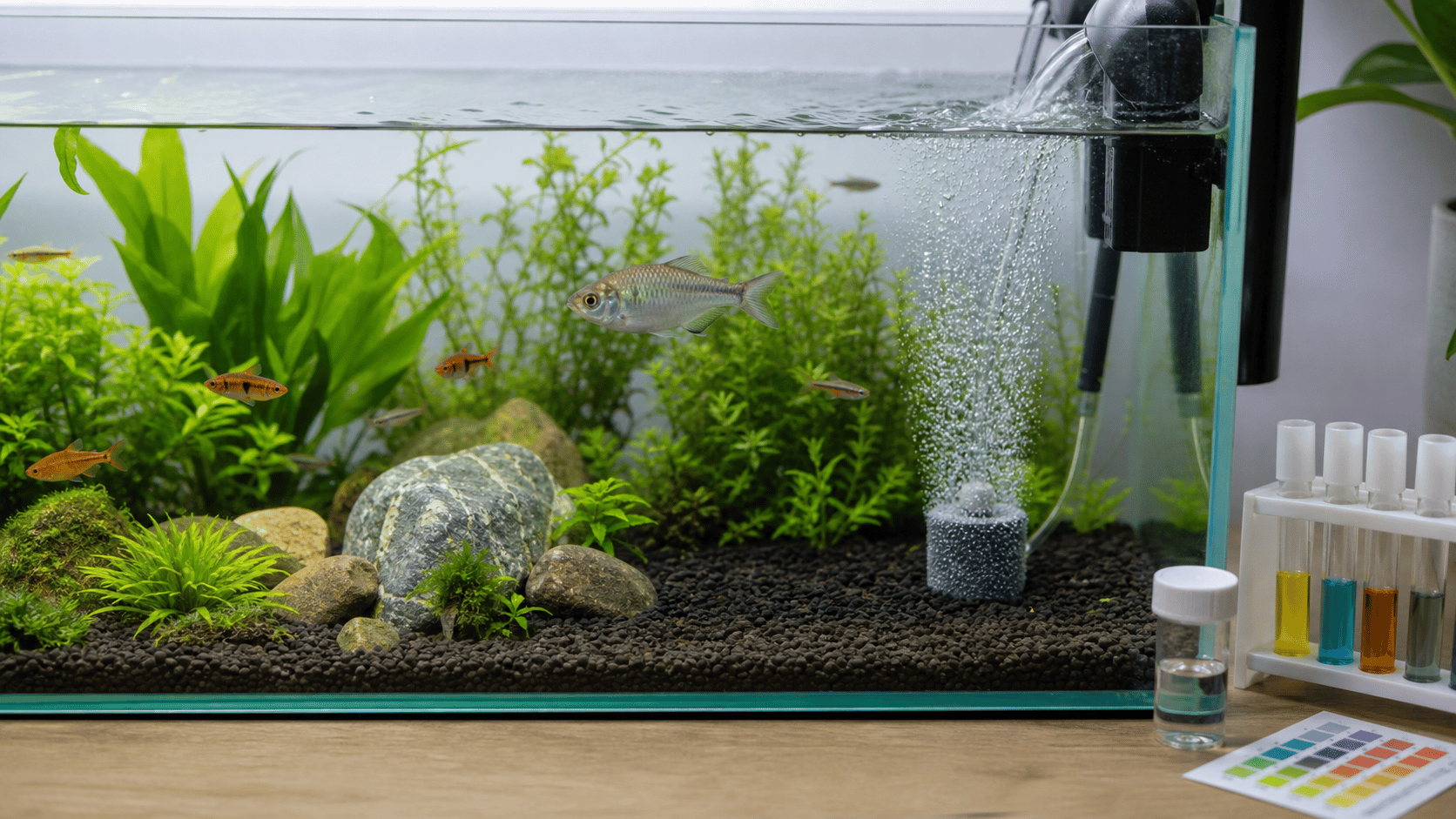
Rapid breathing usually indicates stress, low oxygen, or gill irritation from ammonia/nitrite.
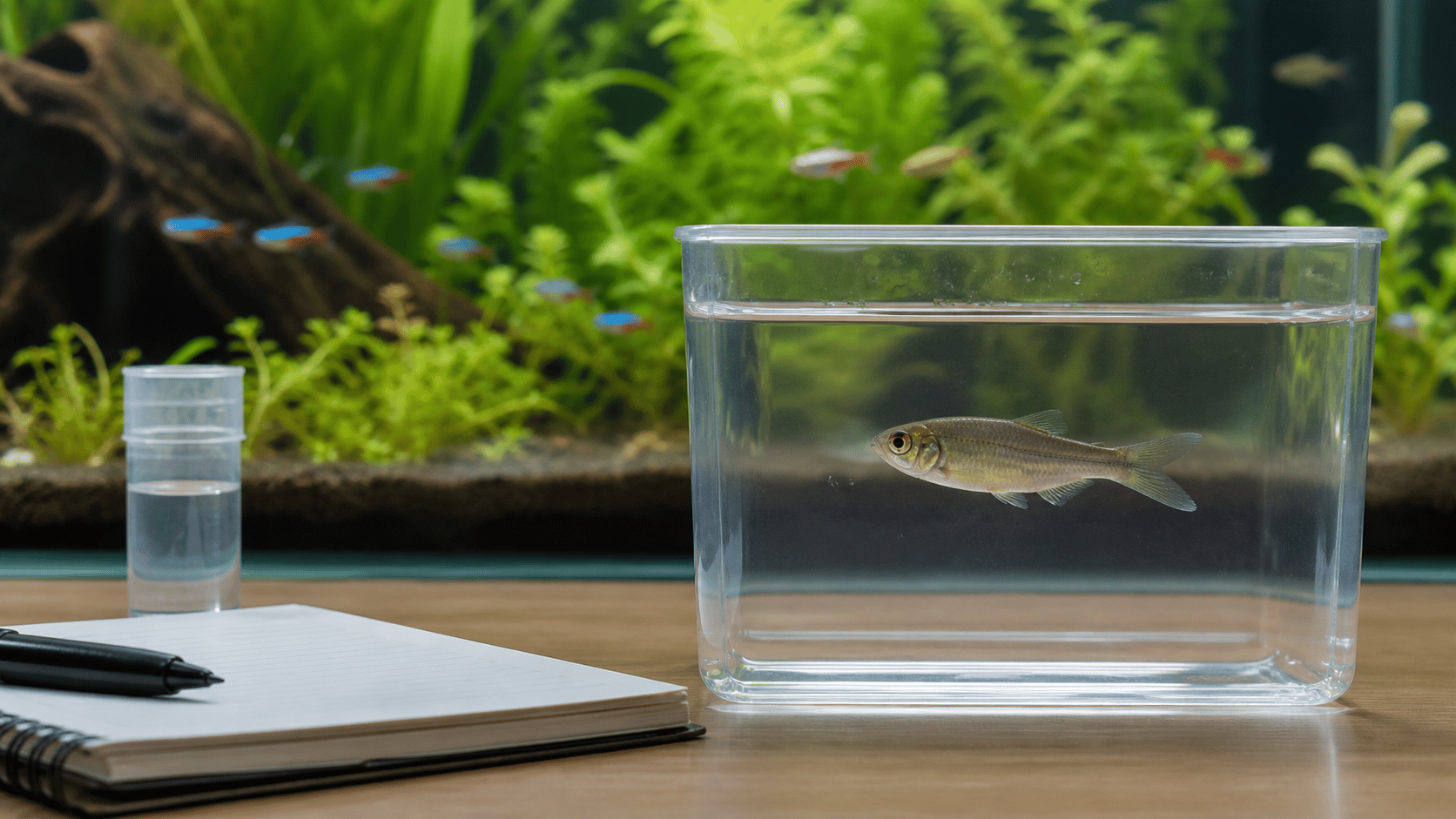
Clamped fins (fins held close to the body) indicate stress, illness, or poor water quality.
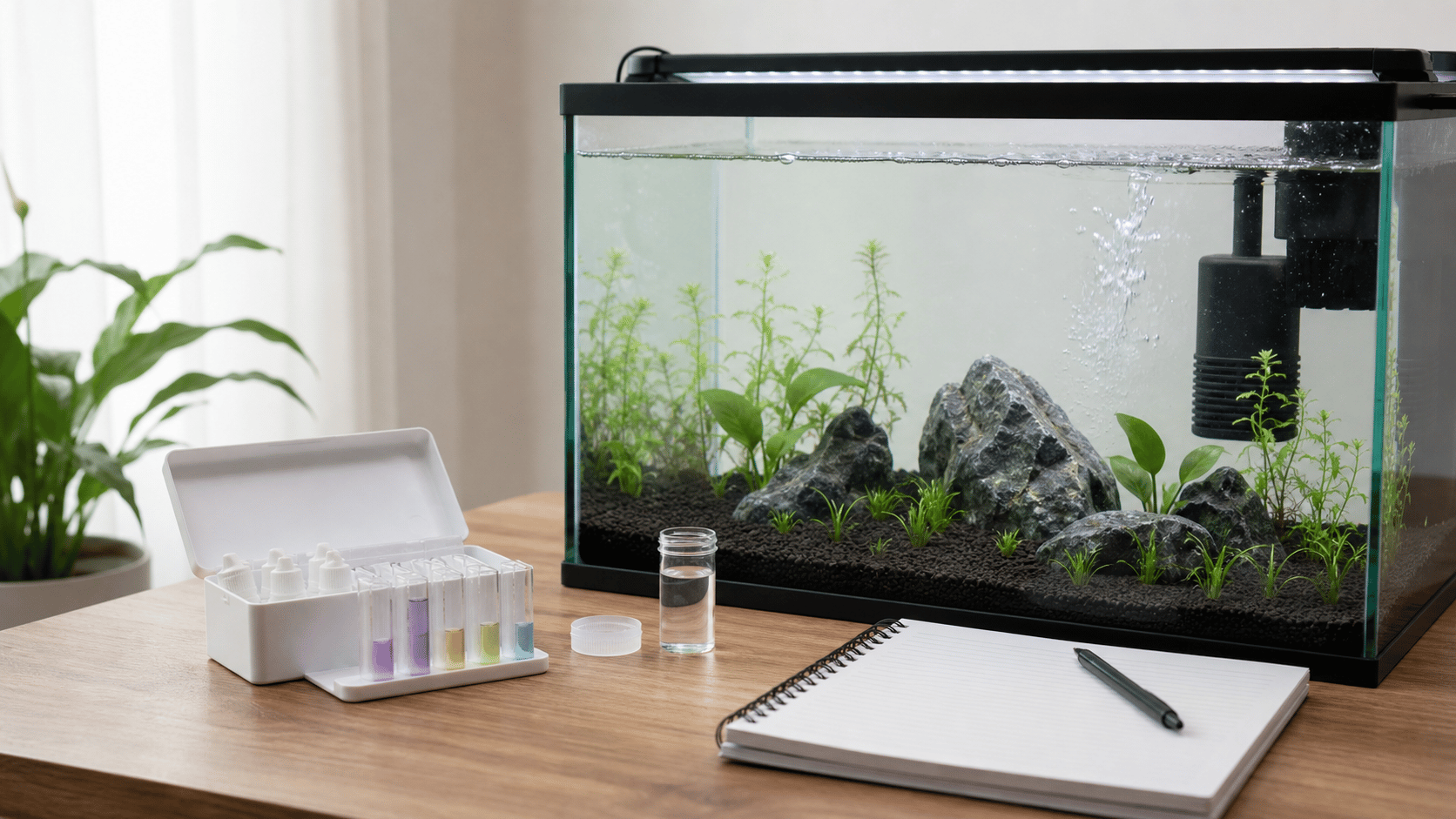
New tank syndrome is a system-level failure of an uncycled aquarium: the biological filter has not yet built enough nitrifying bacteria to convert toxic ammonia to nitrite and then nitrate. It is different from a one-off ammonia spike because the underlying cycle is still incomplete.