
Aquarium Ammonia Spike: Causes, Symptoms & Emergency Steps
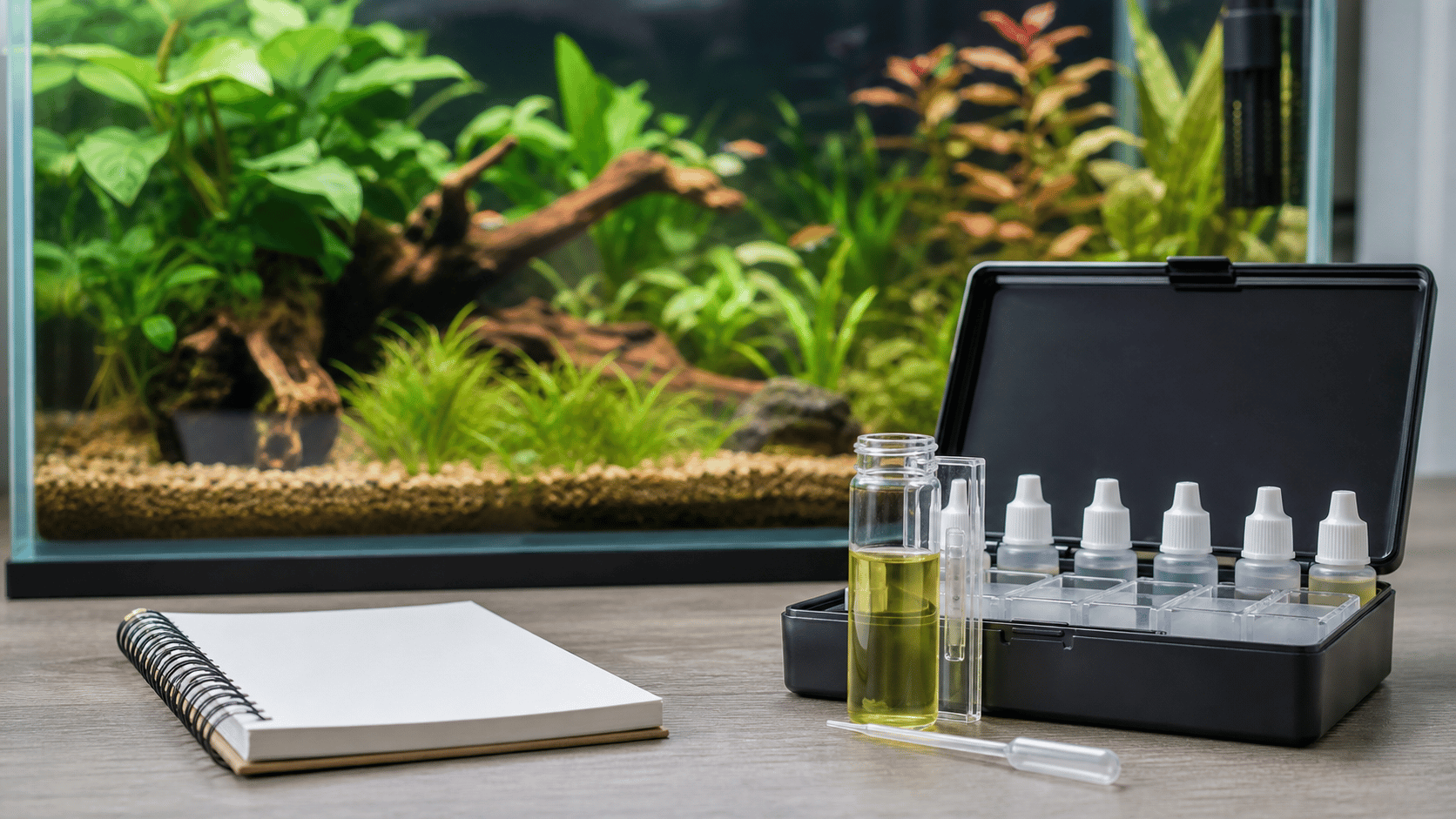
An ammonia spike is an aquarium emergency: test the water, stop adding livestock, remove decaying waste, and use partial conditioned water changes to bring ammonia down. It is common in uncycled tanks (new tank syndrome) or after a filter disruption.
Is This Urgent?
- Treat gasping, rapid breathing, red or irritated gills, collapse, or several fish becoming distressed as urgent.
- Test ammonia and nitrite immediately; a detectable result in a stocked tank needs corrective action.
- If ammonia is above 1 ppm, fish are dying, or distress continues after measured water changes, seek experienced aquatic or veterinary help promptly.
Key Takeaways
- An ammonia spike is an aquarium emergency: test the water, stop adding livestock, remove decaying waste, and use partial conditioned water changes to bring ammonia down. It is common in uncycled tanks (new tank syndrome) or after a filter disruption.
- Check ammonia, nitrite, nitrate, pH, and temperature before adding medication.
- Treat gasping, ammonia spikes, rapid breathing, or severe lethargy as urgent.
Use the AI Diagnosis Tool
Get a personalized diagnosis based on your specific situation.
Open AI DiagnosisCause Routing: What the Signs Can Mean
New tank syndrome
The biofilter has not yet grown enough beneficial bacteria to process fish waste; ammonia and then nitrite can rise in a newly stocked aquarium.
Overfeeding
Uneaten food and excess waste decompose into ammonia faster than the filter can process it.
Filter disruption
A stalled filter, replacement of all media, or rinsing media in chlorinated tap water can reduce the bacteria that process ammonia.
Overstocking
More fish produce more waste than the aquarium volume and biofilter can safely process.
Dead fish or plant
Decomposing animals, uneaten food, and plant matter can cause a sudden ammonia rise.
What to Test and Check First
- Ammonia level (the target for a stocked aquarium is 0 ppm)
- Nitrite level
- Filter function
- Stocking level
- Feeding amount
- Dead fish or plants
Do This First
- Observe whether one fish or the whole tank is affected.
- Test ammonia and nitrite before changing treatments.
- Improve aeration and remove uneaten food while you diagnose.
Immediate Safe Actions
- Test ammonia and nitrite with a reliable aquarium test before and after corrective actions
- Perform a partial, temperature-matched, dechlorinated water change; repeat measured partial changes if ammonia remains detectable
- Pause or sharply reduce feeding until ammonia is controlled, then feed sparingly
- Remove dead fish, uneaten food, or rotting plant material and confirm the filter is running
What Not to Do
- Do not add more fish while ammonia or nitrite is detectable
- Do not replace or scrub all filter media at once, and do not rinse biological media in untreated tap water
- Do not add medication as a substitute for testing and restoring water quality
When to Seek Help
- If fish are gasping, lying over, rapidly breathing, or ammonia remains detectable after corrective water changes
- If ammonia is above 1 ppm or multiple fish are distressed or dying
Related Fish Guides
Frequently Asked Questions
How do I lower ammonia in my aquarium?
Test the water, make a temperature-matched partial water change with dechlorinated water, remove waste, reduce feeding, and make sure the filter is running. Continue testing and use repeat partial changes as needed while the biofilter recovers or cycles.
What are the symptoms of an ammonia spike in fish?
Possible signs include gasping or rapid breathing, lethargy, clamped fins, red or irritated gills, loss of appetite, and multiple fish becoming distressed at once. These signs overlap with other problems, so test ammonia and nitrite rather than guessing.
What is new tank syndrome?
New tank syndrome is an ammonia and nitrite problem in an aquarium whose biological filter is not established. Add livestock slowly, test frequently, and avoid treating a new tank as fully cycled before tests show it is stable.
This information is for educational purposes only and does not replace professional veterinary advice. If your fish shows severe or persistent symptoms, consult an aquatic veterinarian or experienced local fish store.
Sources and Review Process
Related Care and Problem Guides
Why an uncycled aquarium develops ammonia and nitrite problems, and how to prevent recurrence.
A neighbouring symptom guide for breathing distress and poor water quality.
Review whether current stocking may exceed practical capacity.
Tank size, diet, temperature, and common problems for Goldfish.
Tank size, diet, temperature, and common problems for Betta Fish.
Tank size, diet, temperature, and common problems for Guppy.
Fish not eating can be caused by stress, poor water quality, disease, temperature issues, or new tank syndrome. Check water parameters first.
Fish gasping at the surface usually indicates low oxygen, ammonia/nitrite poisoning, or gill disease. This is an urgent situation.
Fish staying at the bottom can be normal for bottom dwellers, but for other fish it may indicate illness, stress, or poor water quality.
White spots are usually Ich (white spot disease), a common parasitic infection. Early treatment is important.
Use this after the initial tests and observations in this guide, not instead of them.
Confirm actual water volume before measuring a partial water change.