
Goldfish: Fish swimming upside down guide
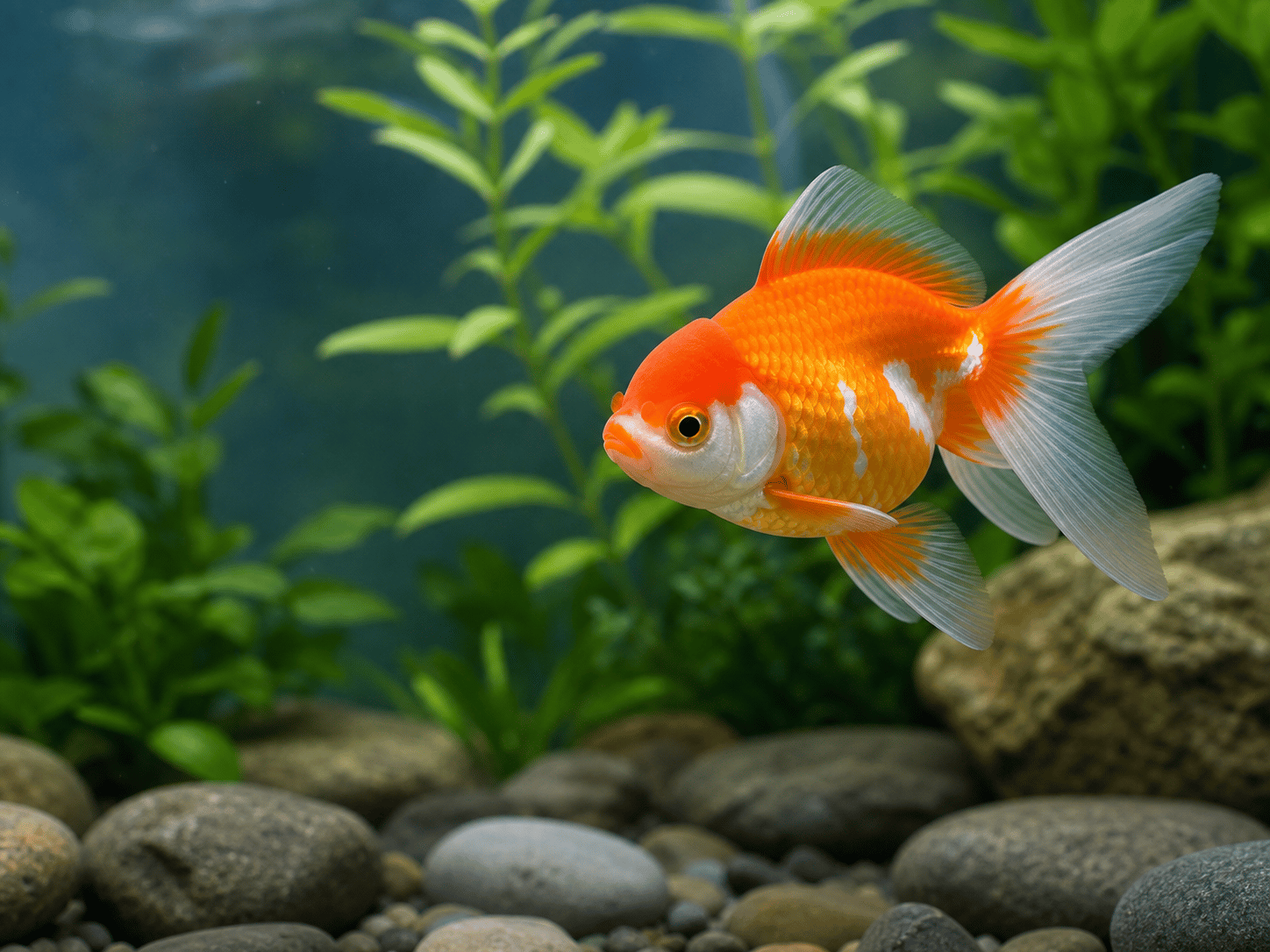
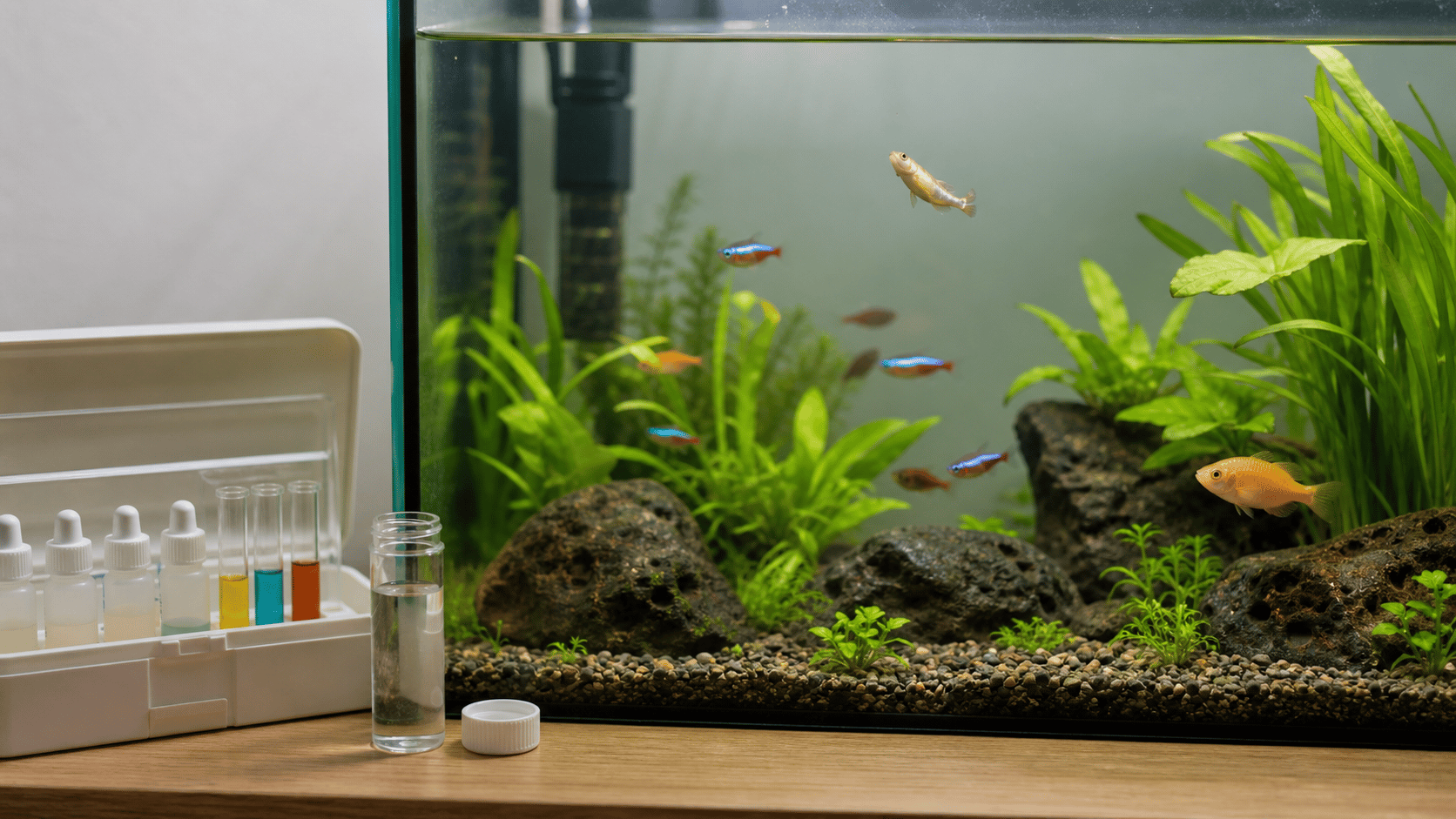
A goldfish swimming upside down usually points to buoyancy trouble, constipation, overfeeding, or poor water quality. It needs prompt observation and water testing.
Key Takeaways
- A goldfish swimming upside down usually points to buoyancy trouble, constipation, overfeeding, or poor water quality. It needs prompt observation and water testing.
- Goldfish care basics: 20+ gallons, 18-24°C, and pH 6.5-7.5.
- Start with water testing and observation before adding medication.
What to Check for Goldfish
- Check for bloating, pineconing scales, or inability to stay upright.
- Review feeding amount and whether floating foods are causing gulping.
- Test ammonia, nitrite, and nitrate.
- Confirm the tank is not overstocked.
Safe First Actions
- Fast the goldfish for 24-48 hours if constipation is likely.
- Offer a small amount of appropriate softened food after fasting.
- Improve water quality with partial water changes.
- Reduce feeding and avoid excess floating food.
What Not to Do
- Do not keep feeding normally if the fish is bloated.
- Do not squeeze or handle the fish to force air out.
- Do not assume every buoyancy issue is harmless swim bladder disease.
General Causes to Consider
Buoyancy or swim bladder dysfunction
The swim bladder helps control buoyancy, but upside-down swimming is a symptom rather than a diagnosis.
Digestive upset or constipation
Overfeeding, unsuitable food, or bloating can affect buoyancy in some fish.
Infection, injury, or internal disease
Other illness signs, persistent distress, or inability to stay upright need closer assessment rather than a one-size-fits-all treatment.
Poor water quality
Detectable ammonia or nitrite can stress fish and worsen an underlying problem.
Frequently Asked Questions
Is upside-down swimming always swim bladder disease?
No. It can involve buoyancy, constipation, infection, organ issues, or poor water quality. Water testing and other symptoms matter.
Why is my goldfish swimming upside down?
Goldfish can show upside-down swimming when buoyancy is affected by digestive upset, overfeeding, water-quality stress, infection, injury, or internal disease. Test the water and look for swelling or breathing trouble before assuming a single cause.
My goldfish is upside down—what should I do first?
Test ammonia, nitrite, nitrate, and temperature; remove uneaten food; and make measured partial water changes if water quality is poor. If the fish is bloated, stop overfeeding, but do not force-feed or handle it to change its position.
This guide is educational and does not replace diagnosis from an aquatic veterinarian. If symptoms are severe, spreading, or affecting multiple fish, seek experienced help quickly.
Sources and Review Process
- Freshwater aquarium husbandry references for water quality, tank size, and stocking guidance.
- Species profiles and compatibility rules maintained in the AquaScience AI data set.
- Aquarium health guidance is educational and should not replace an aquatic veterinarian for severe symptoms.
Related Species-Specific Problem Guides
Fish not eating can be caused by stress, poor water quality, disease, temperature issues, or new tank syndrome. Check water parameters first.
A fish swimming upside down has a buoyancy problem, but it is not automatically “swim bladder disease.” Check water quality and look for bloating, injury, infection signs, or trouble staying upright; a sudden or severe case needs prompt attention.
A fish swimming upside down has a buoyancy problem, but it is not automatically “swim bladder disease.” Check water quality and look for bloating, injury, infection signs, or trouble staying upright; a sudden or severe case needs prompt attention.
Tank size, diet, temperature, and common care notes for Goldfish.
A fish swimming upside down has a buoyancy problem, but it is not automatically “swim bladder disease.” Check water quality and look for bloating, injury, infection signs, or trouble staying upright; a sudden or severe case needs prompt attention.
Enter tank details and symptoms for a structured first-pass diagnosis.