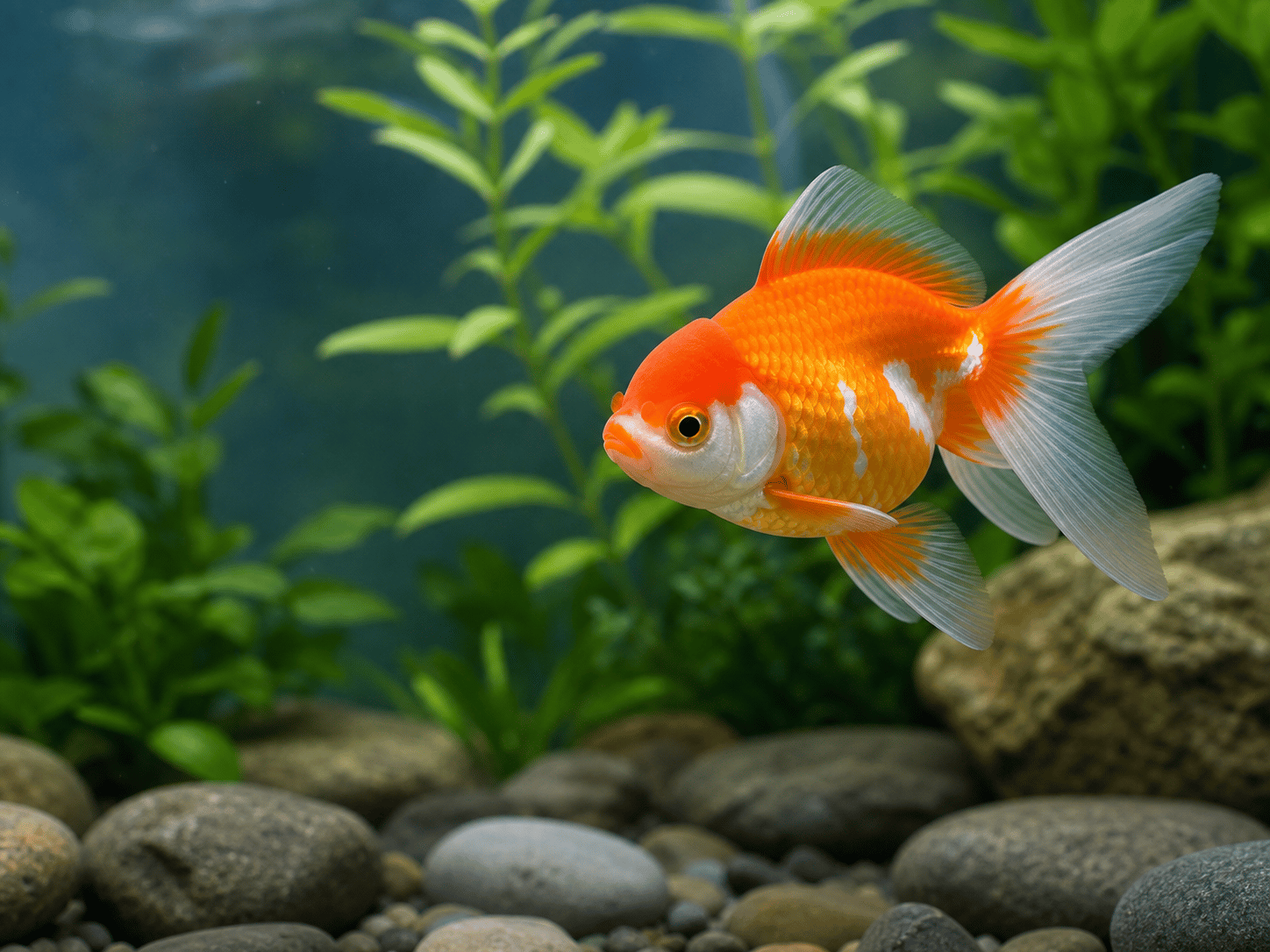
Goldfish Care Guide
Carassius auratus
Key Takeaways
- Goldfish needs at least 20 gallons, with 40 gallons preferred.
- Keep water between 18-24°C and pH 6.5-7.5.
- Plan tank mates carefully and avoid aggressive or fin-nipping fish.
Quick Facts
Care Overview
Goldfish are one of the most recognizable aquarium fish. They are cold-water fish that produce significant waste and need larger tanks than most people realize.
Ideal Tank Setup
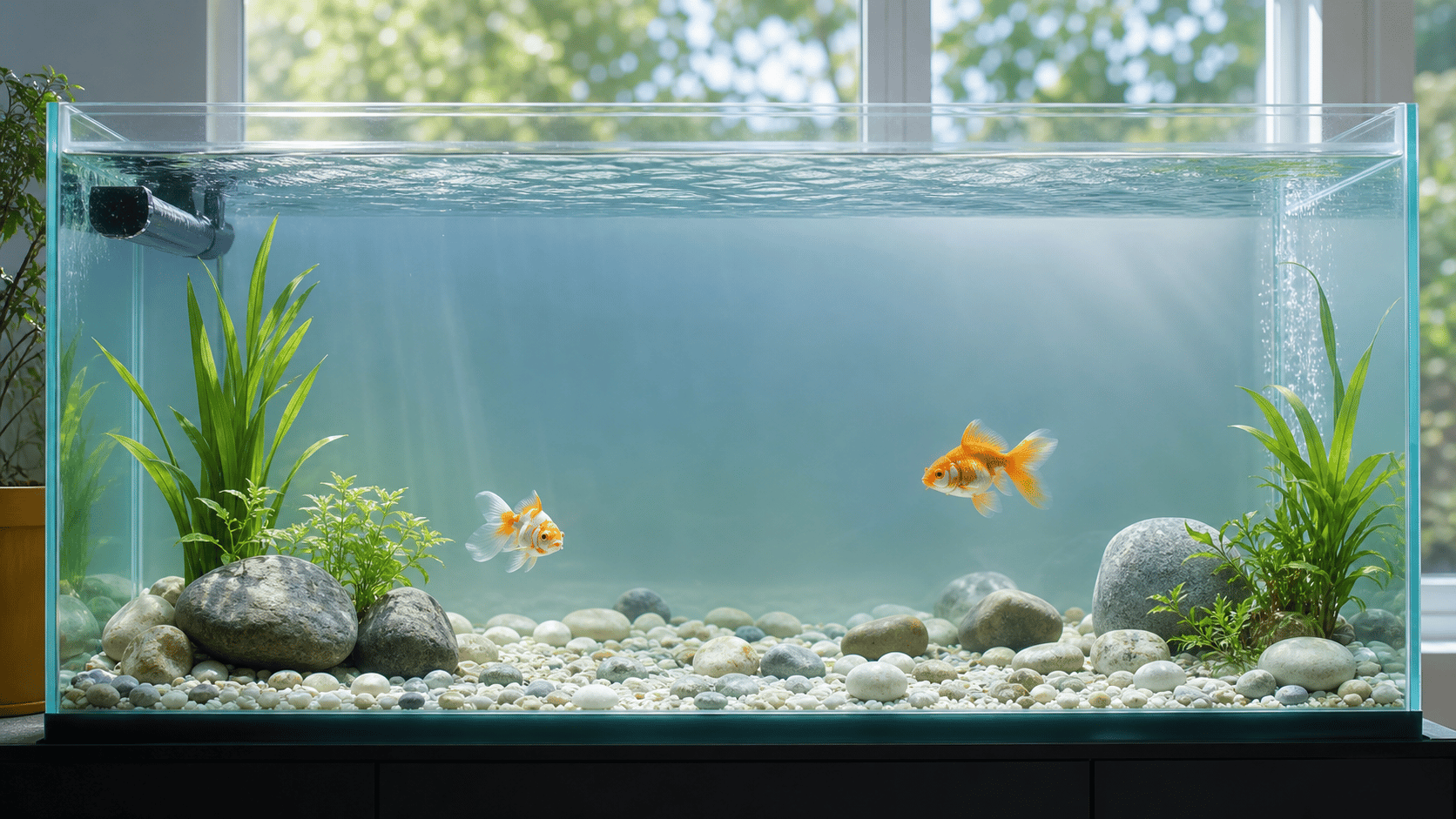
A 20+ gallon tank for one goldfish, with 10+ gallons per additional fish. Strong filtration is essential due to high waste production. Avoid sharp decorations. Gravel or sand substrate works well.
Diet and Feeding
Omnivores that eat goldfish pellets, flakes, and occasional treats like bloodworms, brine shrimp, and blanched vegetables. Feed 2-3 times daily.
Best Tank Mates
- Other goldfish
- White cloud minnows
Fish to Avoid
- Tropical fish (different temperature needs)
- Small fish that may be eaten
- Bettas
Common Problems
- Swim bladder disease
- Ammonia burns from poor water quality
- Overgrowth from small tanks
Common Beginner Mistakes
- Using a tank smaller than 20 gallons, which makes water quality harder to keep stable.
- Ignoring adult size, group size, or temperament when choosing tank mates.
- Changing too much water or filter media at once before checking ammonia and nitrite.
Frequently Asked Questions
Can goldfish live in a bowl?
No. Goldfish need at least 20 gallons with filtration. Bowls are too small, lack filtration, and lead to health problems and shortened lifespans.
How big do goldfish get?
Common goldfish can grow 20-30 cm (8-12 inches). Fancy varieties are usually smaller at 15-20 cm (6-8 inches).
Related Tools
Sources and Review Process
- Freshwater aquarium husbandry references for water quality, tank size, and stocking guidance.
- Species profiles and compatibility rules maintained in the AquaScience AI data set.
- Aquarium health guidance is educational and should not replace an aquatic veterinarian for severe symptoms.
More Goldfish Guides
Fish not eating can be caused by stress, poor water quality, disease, temperature issues, or new tank syndrome. Check water parameters first.
A fish swimming upside down has a buoyancy problem, but it is not automatically “swim bladder disease.” Check water quality and look for bloating, injury, infection signs, or trouble staying upright; a sudden or severe case needs prompt attention.
Compatibility verdict: not recommended (25/100).
Compatibility verdict: possible (72/100).
Compatibility verdict: not recommended (20/100).
Fish not eating can be caused by stress, poor water quality, disease, temperature issues, or new tank syndrome. Check water parameters first.
Fish gasping at the surface usually indicates low oxygen, ammonia/nitrite poisoning, or gill disease. This is an urgent situation.
An ammonia spike is an aquarium emergency: test the water, stop adding livestock, remove decaying waste, and use partial conditioned water changes to bring ammonia down. It is common in uncycled tanks (new tank syndrome) or after a filter disruption.
A fish swimming upside down has a buoyancy problem, but it is not automatically “swim bladder disease.” Check water quality and look for bloating, injury, infection signs, or trouble staying upright; a sudden or severe case needs prompt attention.