
Aquarium Substrate Calculator
Calculate how much aquarium substrate, gravel, or sand you need based on tank dimensions and target bed depth.
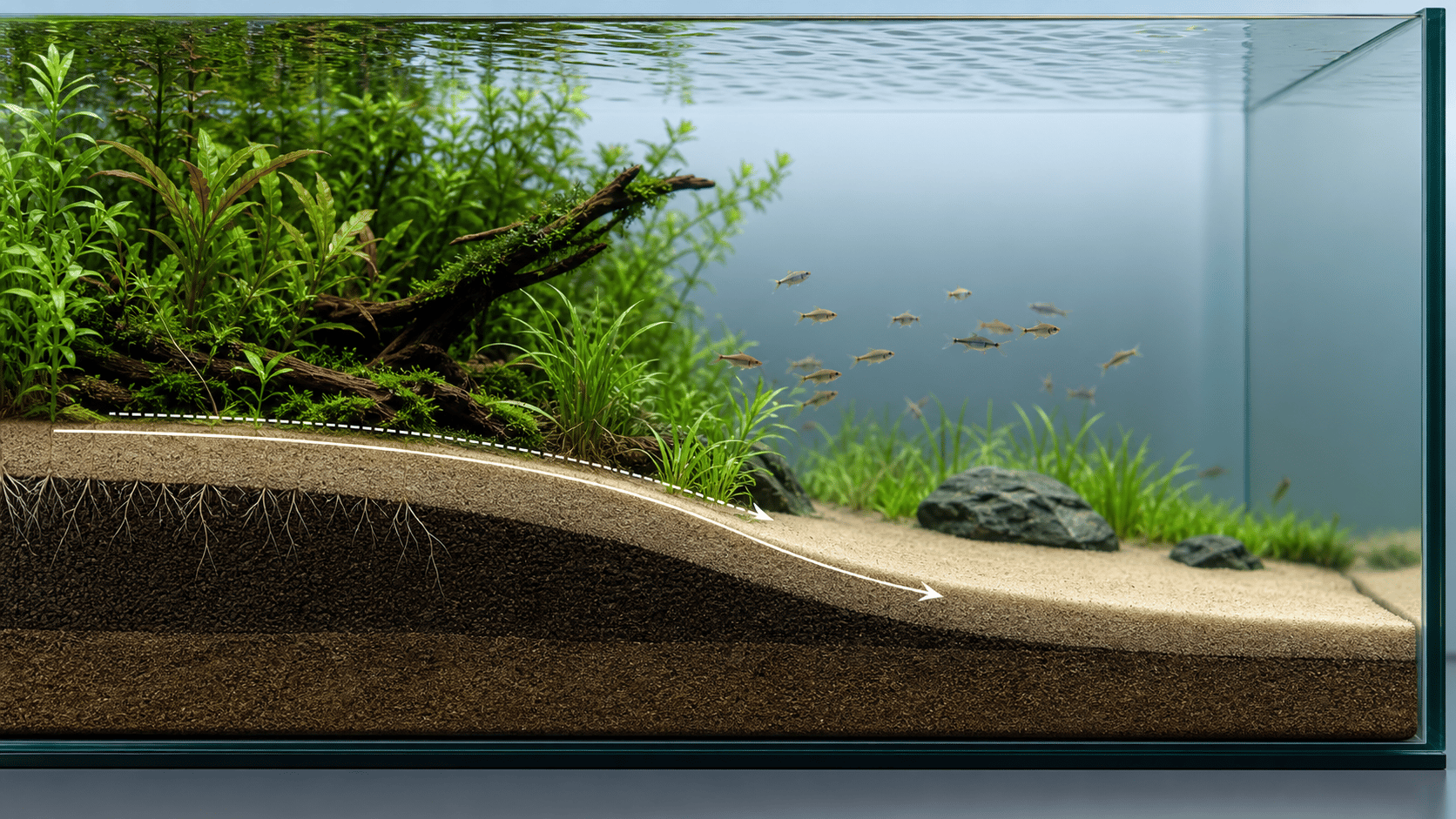
Key Takeaways
- Substrate amount depends on tank footprint, desired depth, and substrate density.
- A 24 x 12 inch tank with a 2 inch substrate bed usually needs much more material than a shallow decorative layer.
- This guide also covers: aquarium gravel calculator · aquarium sand calculator.
- Use calculator results as planning estimates and verify against equipment labels or species-specific care needs.
How This Calculator Works
Substrate amount depends on tank footprint, desired depth, and substrate density.
A 24 x 12 inch tank with a 2 inch substrate bed usually needs much more material than a shallow decorative layer.
Common Mistakes
- Using too little substrate for rooted plants.
- Using sharp gravel for bottom dwellers that need sand.
- Building a deep substrate bed without understanding trapped debris and maintenance.
Frequently Asked Questions
How deep should aquarium substrate be?
1-2 inches is typical. Sand for bottom dwellers should be 2-3 inches.
What type of substrate is best?
Sand is best for bottom dwellers like corydoras. Gravel is fine for most other fish. Planted tanks benefit from nutrient-rich soil.
Sources and Review Process
- Calculator formulas are simplified planning estimates, not engineering or veterinary certification.
- Equipment choices should be checked against manufacturer ratings and real tank conditions.
- Stocking and health decisions should be adjusted for adult fish size, behavior, filtration, and water test results.
Related Aquarium Calculators
Calculate aquarium volume in US gallons and liters from tank dimensions. Use this aquarium gallon calculator for effective water volume after substrate and decorations.
Find the right wattage heater for your aquarium based on tank size and temperature difference.
Use this aquarium stocking calculator to estimate how many fish your tank can safely hold based on volume, adult size, and filtration.
Calculate how much water to change and estimate nitrate reduction from water changes.
Use your tank size and preferred fish to plan equipment and stocking.
Check whether two species can live together before stocking.