
Water Change Calculator
Calculate how much water to change and estimate nitrate reduction from water changes.
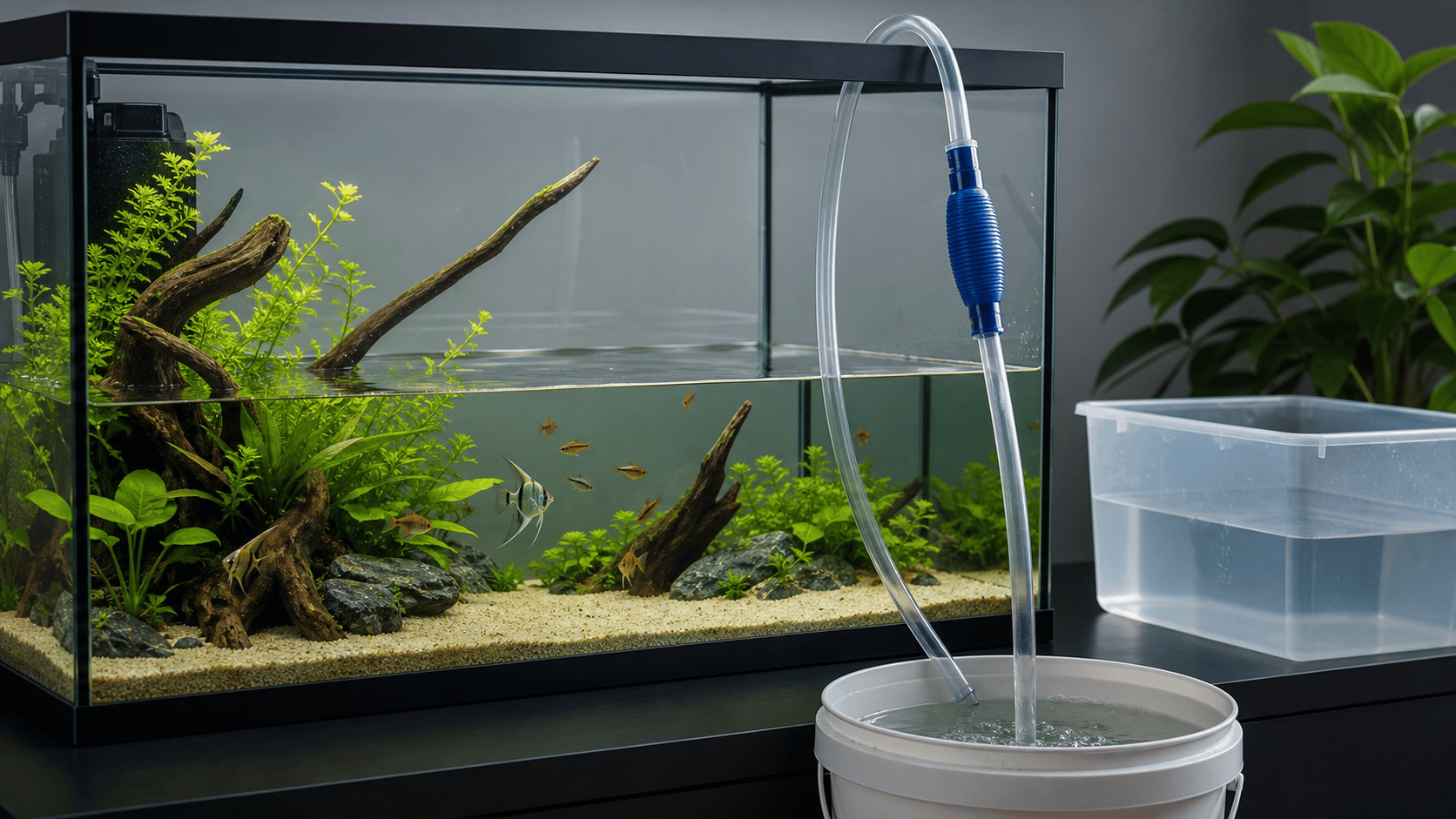
Key Takeaways
- A water change removes roughly the same percentage of dissolved nitrate as the percentage of water replaced.
- If nitrate is 40 ppm, a 25% water change lowers it to about 30 ppm before new waste is produced.
- Use calculator results as planning estimates and verify against equipment labels or species-specific care needs.
How This Calculator Works
A water change removes roughly the same percentage of dissolved nitrate as the percentage of water replaced.
If nitrate is 40 ppm, a 25% water change lowers it to about 30 ppm before new waste is produced.
Common Mistakes
- Doing very large emergency changes without matching temperature and dechlorinating.
- Assuming one water change fixes the cause of high nitrate.
- Cleaning filter media in untreated tap water and damaging beneficial bacteria.
Frequently Asked Questions
How often should I change aquarium water?
Weekly water changes of 25-30% are recommended for most freshwater aquariums.
Do water changes reduce nitrate?
Yes. A 25% water change reduces nitrate by approximately 25%.
Sources and Review Process
- Calculator formulas are simplified planning estimates, not engineering or veterinary certification.
- Equipment choices should be checked against manufacturer ratings and real tank conditions.
- Stocking and health decisions should be adjusted for adult fish size, behavior, filtration, and water test results.
Related Aquarium Calculators
Calculate aquarium volume in US gallons and liters from tank dimensions. Use this aquarium gallon calculator for effective water volume after substrate and decorations.
Find the right wattage heater for your aquarium based on tank size and temperature difference.
Use this aquarium stocking calculator to estimate how many fish your tank can safely hold based on volume, adult size, and filtration.
Estimate the total weight of your filled aquarium including water, substrate, and equipment.
Use your tank size and preferred fish to plan equipment and stocking.
Check whether two species can live together before stocking.