
Betta Fish: Fin rot guide
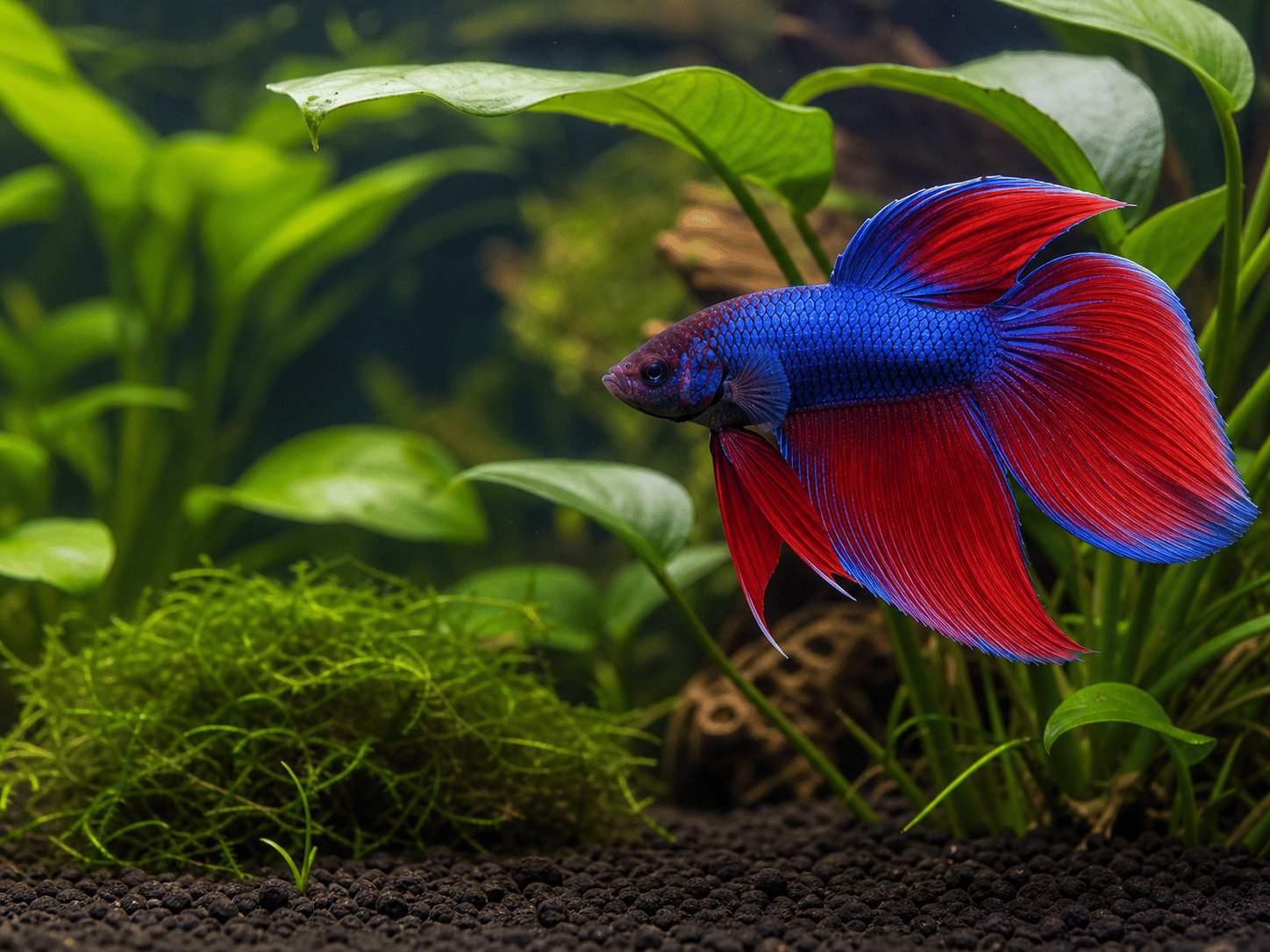
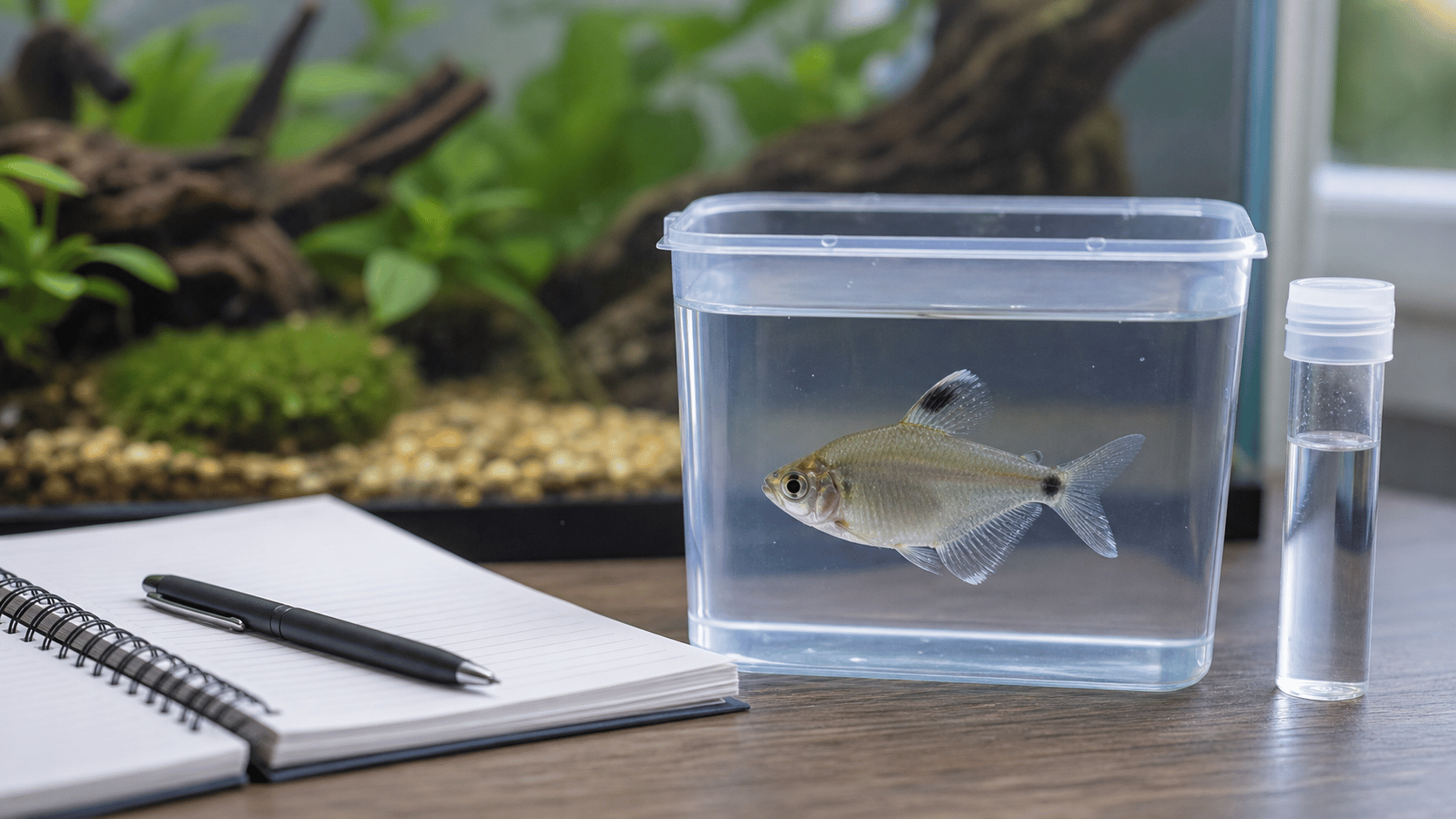
Betta fin rot is usually linked to poor water quality, stress, or torn fins becoming infected. Improve water quality before reaching for medication.
Key Takeaways
- Betta fin rot is usually linked to poor water quality, stress, or torn fins becoming infected. Improve water quality before reaching for medication.
- Betta Fish care basics: 5+ gallons, 24-28°C, and pH 6.5-7.5.
- Start with water testing and observation before adding medication.
What to Check for Betta Fish
- Compare fin edges day to day for blackening, melting, or ragged recession.
- Test ammonia, nitrite, and nitrate.
- Look for sharp decorations or plastic plants that can tear fins.
- Check whether tank mates are nipping the betta.
Safe First Actions
- Keep ammonia and nitrite at 0 ppm.
- Do small, consistent water changes rather than drastic resets.
- Remove sharp decor and use silk or live plants.
- Separate fin-nipping tank mates if present.
What Not to Do
- Do not use multiple medications at once.
- Do not assume fin regrowth starts immediately after water improves.
- Do not keep the betta in an unheated, unfiltered bowl.
General Causes to Consider
Poor water quality
High ammonia or nitrite weakens immune system.
Fin nipping
Other fish biting fins creates entry points for bacteria.
Stress
Overcrowding, aggression, or poor conditions.
Frequently Asked Questions
Can betta fin rot heal with clean water?
Mild cases can improve with stable clean water and reduced stress. Severe or fast-moving cases may need targeted treatment.
This guide is educational and does not replace diagnosis from an aquatic veterinarian. If symptoms are severe, spreading, or affecting multiple fish, seek experienced help quickly.
Sources and Review Process
- Freshwater aquarium husbandry references for water quality, tank size, and stocking guidance.
- Species profiles and compatibility rules maintained in the AquaScience AI data set.
- Aquarium health guidance is educational and should not replace an aquatic veterinarian for severe symptoms.
Related Species-Specific Problem Guides
Fish not eating can be caused by stress, poor water quality, disease, temperature issues, or new tank syndrome. Check water parameters first.
Fish gasping at the surface usually indicates low oxygen, ammonia/nitrite poisoning, or gill disease. This is an urgent situation.
A fish swimming upside down has a buoyancy problem, but it is not automatically “swim bladder disease.” Check water quality and look for bloating, injury, infection signs, or trouble staying upright; a sudden or severe case needs prompt attention.
Fin rot is a bacterial infection that causes fins to deteriorate. It's usually caused by poor water quality or stress.
Tank size, diet, temperature, and common care notes for Betta Fish.
Fin rot is a bacterial infection that causes fins to deteriorate. It's usually caused by poor water quality or stress.
Enter tank details and symptoms for a structured first-pass diagnosis.