
Molly Care Guide
Poecilia sphenops
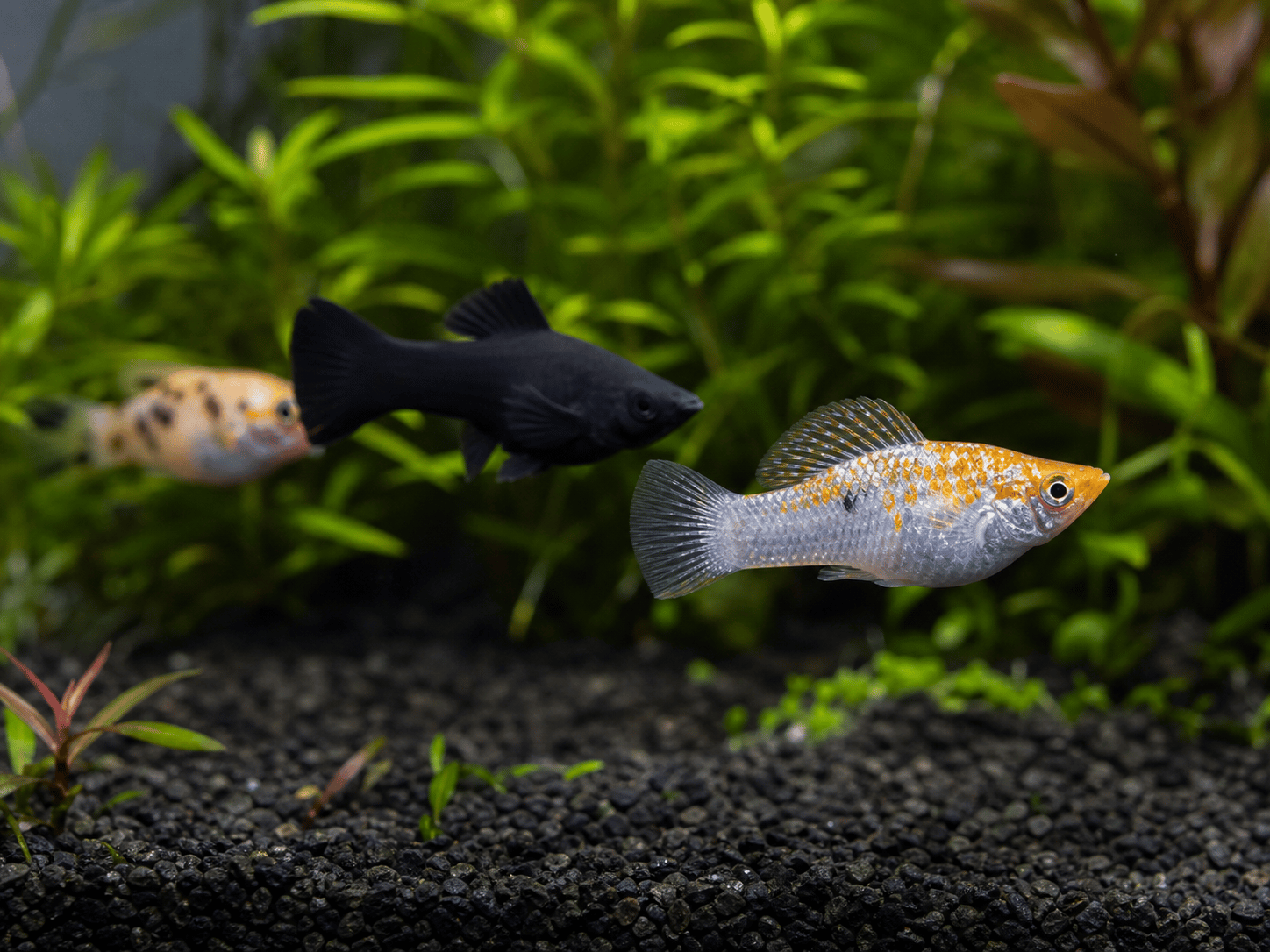
Key Takeaways
- Molly needs at least 20 gallons, with 30 gallons preferred.
- Keep water between 24-28°C and pH 7.5-8.5.
- Keep a group of at least 3 to reduce stress.
Quick Facts
Difficulty: beginner
Min Tank: 20 gallons
Size: 8 cm
Group: 3+
Temperature: 24-28°C
pH: 7.5-8.5
Temperament: peaceful
Swimming: middle
Diet: omnivore
Lifespan: 3-5 years
Care Overview
Mollies are active, colorful livebearers that prefer hard, alkaline water. They are larger than guppies and platies and need more swimming space.
Ideal Tank Setup
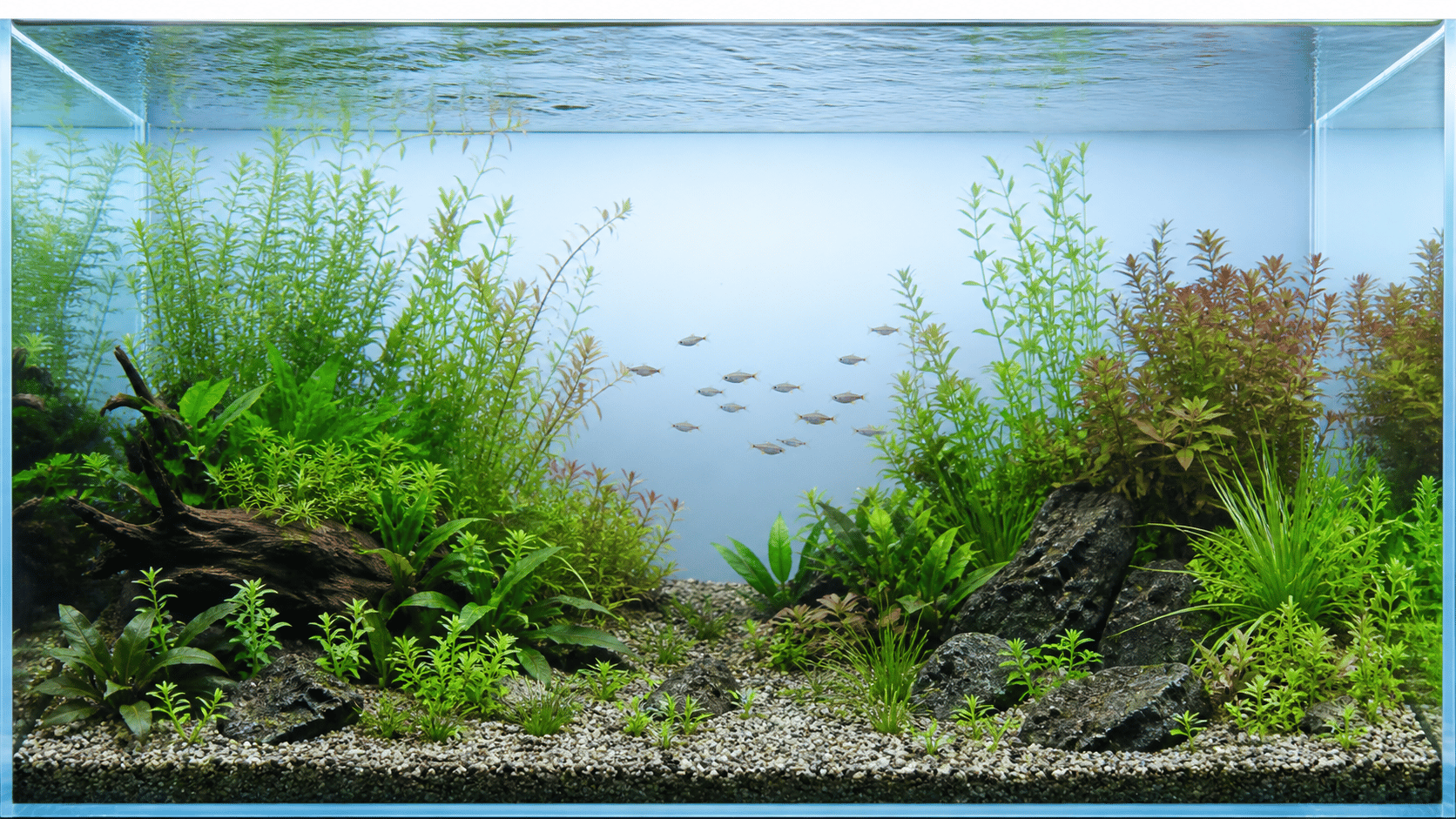
A 20+ gallon tank with strong filtration. They prefer hard, alkaline water. Some keepers add a small amount of aquarium salt. Include plants and open swimming areas.
Diet and Feeding
Omnivores that eat flake food, pellets, and live or frozen foods. They also eat algae. Feed 2 times daily.
Best Tank Mates
- Platies
- Guppies
- Swordtails
- Corydoras
Fish to Avoid
- Small fish that may be bullied
- Fish needing soft, acidic water
Common Problems
- Shimmy disease from soft water
- Overpopulation
Common Beginner Mistakes
- Using a tank smaller than 20 gallons, which makes water quality harder to keep stable.
- Ignoring adult size, group size, or temperament when choosing tank mates.
- Changing too much water or filter media at once before checking ammonia and nitrite.
Frequently Asked Questions
Do mollies need salt?
Not necessarily, but they prefer hard, alkaline water. Some keepers add a small amount of aquarium salt, but it's not required if your water is already hard.
Related Tools
Sources and Review Process
- Freshwater aquarium husbandry references for water quality, tank size, and stocking guidance.
- Species profiles and compatibility rules maintained in the AquaScience AI data set.
- Aquarium health guidance is educational and should not replace an aquatic veterinarian for severe symptoms.