
Harlequin Rasbora Care Guide
Trichogaster heteromorpha
Key Takeaways
- Harlequin Rasbora needs at least 10 gallons, with 20 gallons preferred.
- Keep water between 22-28°C and pH 6-7.5.
- Keep a group of at least 6 to reduce stress.
Actionable Setup Plan
- Use a planted 10+ gallon tank with open midwater swimming space and keep the school together.
- Feed small food that every rasbora can eat and avoid boisterous or fin-nipping tank mates.
Quick Facts
Size
Harlequin rasboras grow to about 5 cm (2 in); their small size suits a community tank only when they have a proper school and open swimming space.
Lifespan
They commonly live 5-8 years with stable water and a consistent social group.
Minimum School Size
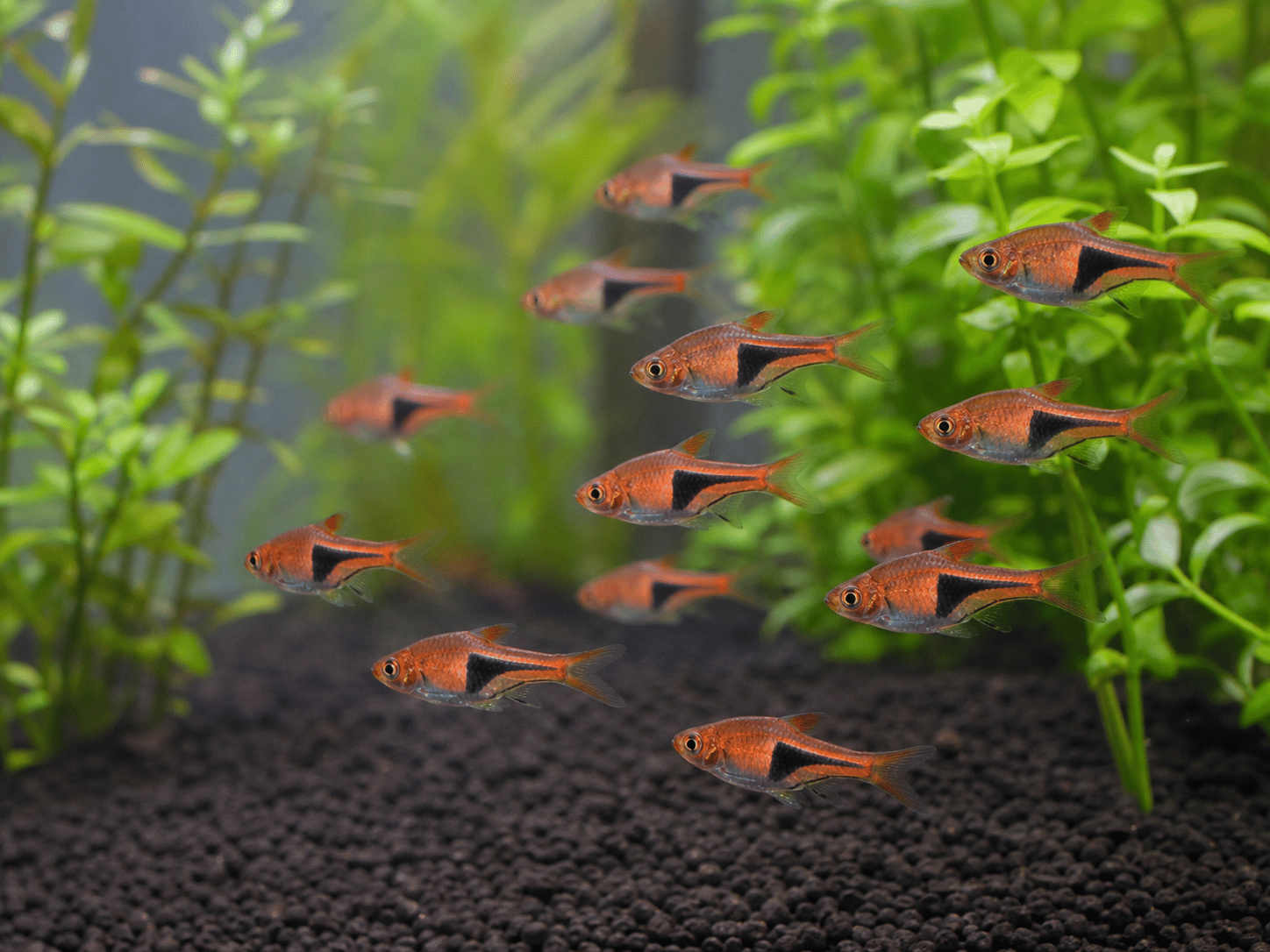
Keep at least 6; 8-10 is usually more secure and natural-looking in a suitable aquarium.
Care Overview
Harlequin rasboras are peaceful schooling fish with a distinctive black triangle marking. They are hardy and easy to care for.
Ideal Tank Setup
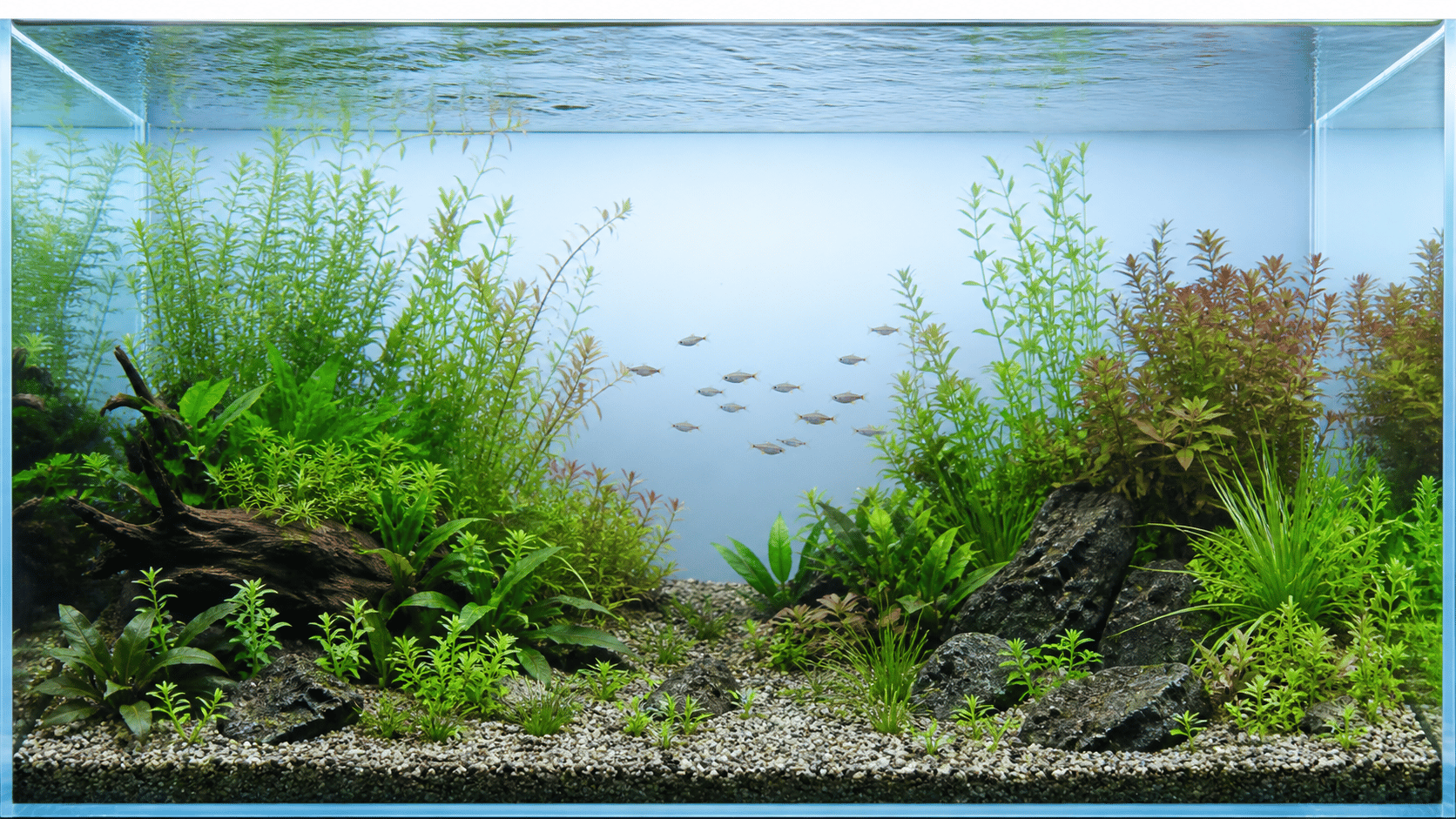
A 10+ gallon planted tank with open swimming areas. Keep in groups of 6 or more. They prefer slightly acidic to neutral water.
Food
Omnivores that eat small flake food, micro pellets, and small live or frozen foods. Feed 2 times daily.
Tank Mates
- Other rasboras
- Tetras
- Corydoras
- Gouramis
- Shrimp
Fish to Avoid
- Large aggressive fish
- Fin-nipping fish
Common Problems
- Stress from small groups
Common Beginner Mistakes
- Using a tank smaller than 10 gallons, which makes water quality harder to keep stable.
- Ignoring adult size, group size, or temperament when choosing tank mates.
- Changing too much water or filter media at once before checking ammonia and nitrite.
Frequently Asked Questions
How many harlequin rasboras should I keep?
At least 6, but 8-10 is better. They are schooling fish and need company to feel secure.
Related Tools
Sources and Review Process
- Freshwater aquarium husbandry references for water quality, tank size, and stocking guidance.
- Species profiles and compatibility rules maintained in the AquaScience AI data set.
- Aquarium health guidance is educational and should not replace an aquatic veterinarian for severe symptoms.