
Corydoras Care Guide
Corydoras spp.
Key Takeaways
- Corydoras needs at least 20 gallons, with 30 gallons preferred.
- Keep water between 22-26°C and pH 6.5-7.5.
- Keep a group of at least 6 to reduce stress.
Quick Facts
Care Overview
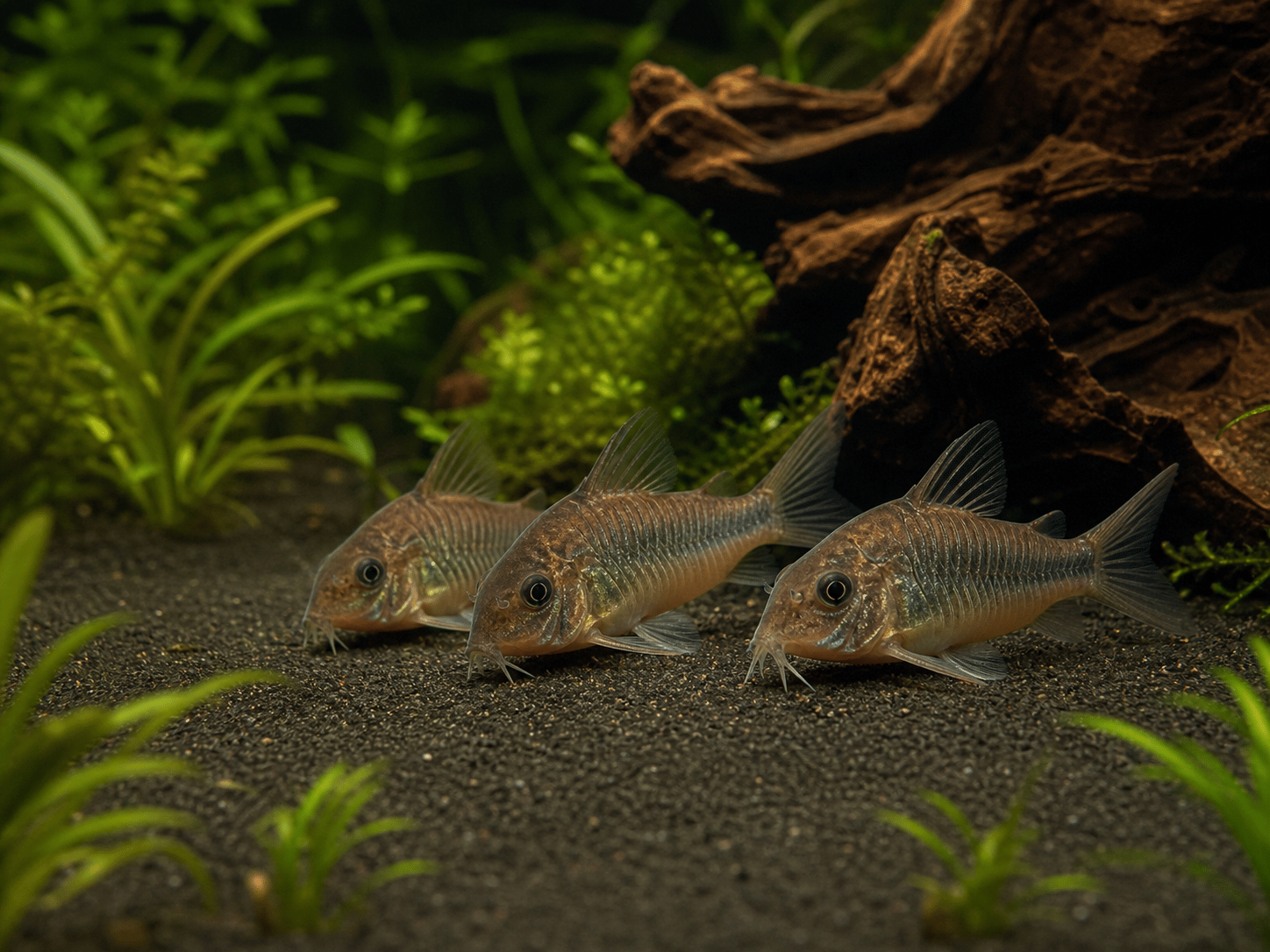
Corydoras are peaceful bottom-dwelling catfish that are excellent community tank members. They are social fish that should always be kept in groups. They spend their time sifting through substrate looking for food.
Ideal Tank Setup
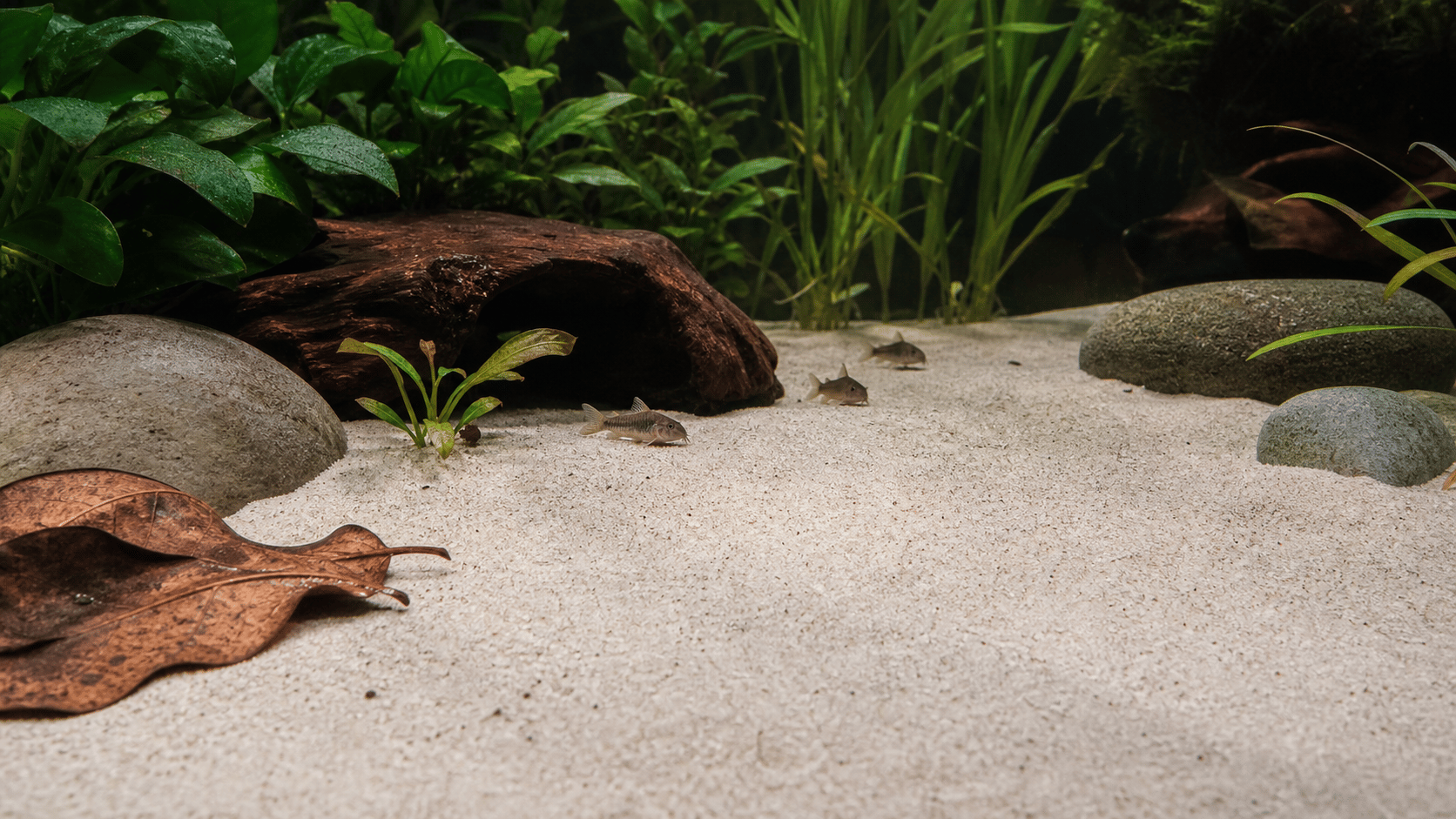
A 20+ gallon tank with sand substrate is essential. Include hiding spots with driftwood, caves, and live plants. They prefer gentle to moderate water flow. A planted tank with open swimming areas at the bottom is ideal.
Diet and Feeding
Corydoras are omnivores that primarily eat from the bottom. Feed sinking pellets or wafers as a staple. Supplement with frozen bloodworms, brine shrimp, and occasional vegetable matter. They will also eat leftover food from other fish.
Best Tank Mates
- Tetras (neon, cardinal, ember)
- Rasboras
- Guppies
- Dwarf gouramis
- Shrimp
Fish to Avoid
- Large aggressive cichlids
- Goldfish (different temperature needs)
- Fish that compete for bottom space
Common Problems
- Barbel erosion from rough substrate
- Swimming to surface (low oxygen)
- Not eating (stress or illness)
Common Beginner Mistakes
- Using a tank smaller than 20 gallons, which makes water quality harder to keep stable.
- Ignoring adult size, group size, or temperament when choosing tank mates.
- Changing too much water or filter media at once before checking ammonia and nitrite.
Frequently Asked Questions
How many corydoras should I keep together?
At least 6. Corydoras are schooling fish and feel stressed in smaller groups. Larger groups are even better and will result in more natural, active behavior.
Can corydoras live with bettas?
Often yes, in a 15+ gallon tank. Corydoras stay at the bottom while bettas prefer the top. However, some bettas may be aggressive, so monitor closely.
Related Tools
Sources and Review Process
- Freshwater aquarium husbandry references for water quality, tank size, and stocking guidance.
- Species profiles and compatibility rules maintained in the AquaScience AI data set.
- Aquarium health guidance is educational and should not replace an aquatic veterinarian for severe symptoms.
More Corydoras Guides
Fish not eating can be caused by stress, poor water quality, disease, temperature issues, or new tank syndrome. Check water parameters first.
Compatibility verdict: good (84/100).
Compatibility verdict: good (95/100).
Compatibility verdict: good (90/100).
Compatibility verdict: good (90/100).
Fish not eating can be caused by stress, poor water quality, disease, temperature issues, or new tank syndrome. Check water parameters first.
Fish gasping at the surface usually indicates low oxygen, ammonia/nitrite poisoning, or gill disease. This is an urgent situation.
Fish staying at the bottom can be normal for bottom dwellers, but for other fish it may indicate illness, stress, or poor water quality.
Some hiding is normal, but excessive hiding can indicate stress, illness, or bullying from tank mates.