
Vì sao cá của tôi có biểu hiện Cá trốn? Nguyên nhân và cách xử lý
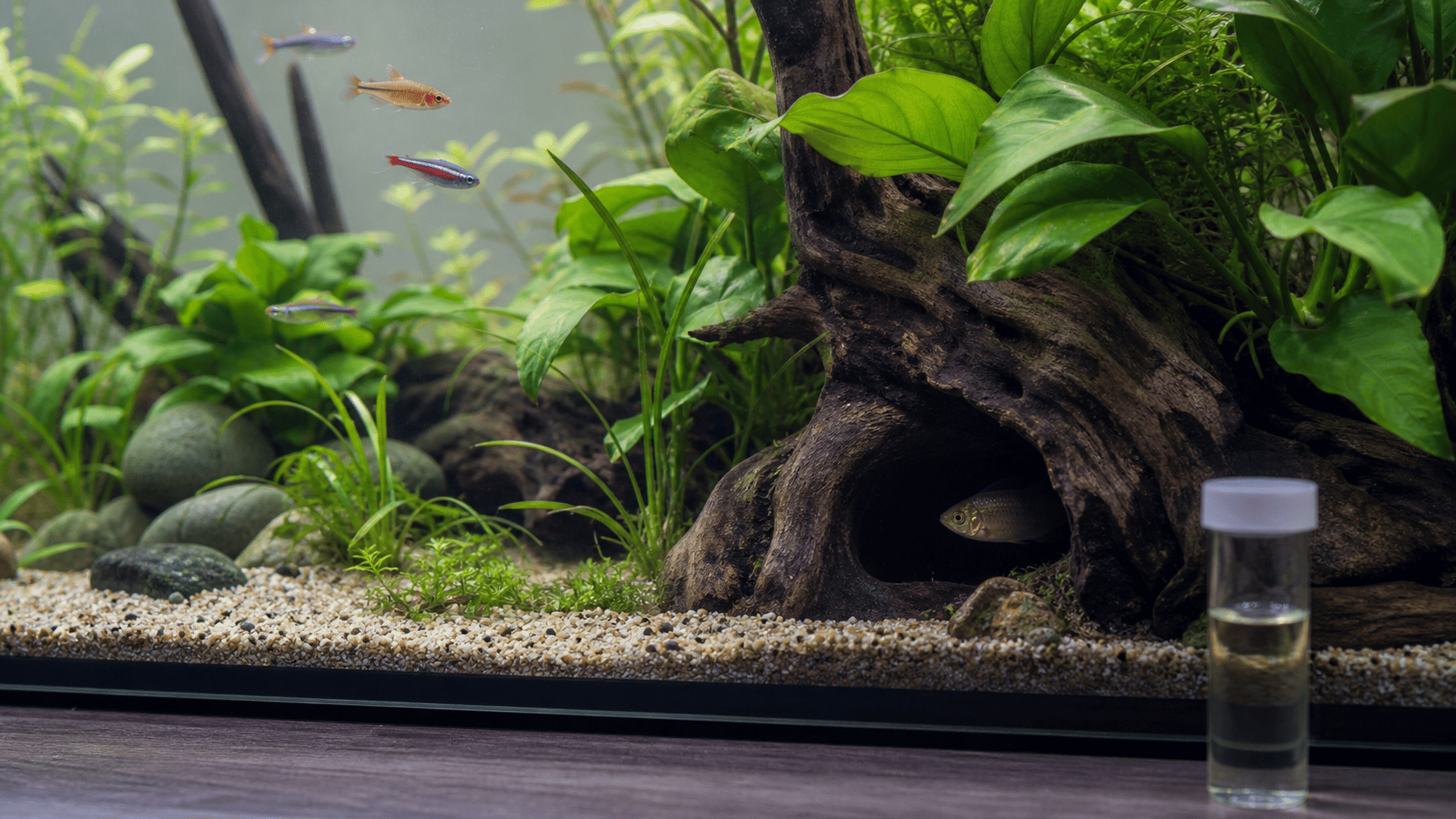
Một phần hành vi trốn là bình thường, nhưng trốn quá mức có thể do stress, bệnh hoặc bị bắt nạt.
Key Takeaways
- Một phần hành vi trốn là bình thường, nhưng trốn quá mức có thể do stress, bệnh hoặc bị bắt nạt.
- Check ammonia, nitrite, nitrate, pH, and temperature before adding medication.
- Treat gasping, ammonia spikes, rapid breathing, or severe lethargy as urgent.
Use the AI Diagnosis Tool
Get a personalized diagnosis based on your specific situation.
Open AI DiagnosisCause Routing: What the Signs Can Mean
Hành vi bình thường
Loài như kuhli loach và pleco vốn nhút nhát.
Stress
Môi trường mới, ánh sáng mạnh hoặc thiếu chỗ trú.
Bắt nạt
Bạn cùng bể hung dữ.
Bệnh
Cá bệnh thường trốn.
What to Test and Check First
- Hành vi có bình thường với loài
- Bạn cùng bể
- Chỗ trú có sẵn
- Triệu chứng khác
Do This First
- Observe whether one fish or the whole tank is affected.
- Test ammonia and nitrite before changing treatments.
- Improve aeration and remove uneaten food while you diagnose.
Immediate Safe Actions
- Bảo đảm đủ chỗ trú
- Kiểm tra bị bắt nạt
- Theo dõi triệu chứng khác
What Not to Do
- Không xua cá khỏi chỗ trốn
When to Seek Help
- Nếu cá từng năng động đột nhiên trốn
- Nếu có triệu chứng khác
Related Fish Guides
Frequently Asked Questions
Cá trốn có bình thường không?
Một số loài trốn tự nhiên. Nếu cá từng năng động bắt đầu trốn đột ngột, có thể đang stress hoặc bệnh.
This information is for educational purposes only and does not replace professional veterinary advice. If your fish shows severe or persistent symptoms, consult an aquatic veterinarian or experienced local fish store.
Sources and Review Process
- Freshwater aquarium husbandry references for water quality, tank size, and stocking guidance.
- Species profiles and compatibility rules maintained in the AquaScience AI data set.
- Aquarium health guidance is educational and should not replace an aquatic veterinarian for severe symptoms.
Related Care and Problem Guides
Tank size, diet, temperature, and common problems for Kuhli Loach.
Tank size, diet, temperature, and common problems for Betta Fish.
Tank size, diet, temperature, and common problems for Corydoras.
Chán ăn có thể do stress, chất lượng nước, bệnh, nhiệt độ không phù hợp hoặc bể mới. Hãy kiểm tra nước trước.
Ngáp ở mặt nước là dấu hiệu khẩn cấp, thường do thiếu oxy, ngộ độc amoniac/nitrit hoặc bệnh mang.
Với cá tầng đáy điều này có thể bình thường; ở loài khác có thể là dấu hiệu bệnh, stress hoặc nước kém.
Tăng vọt amoniac là tình trạng khẩn cấp: kiểm tra nước, không thêm sinh vật, loại bỏ vật phân hủy và hạ amoniac bằng thay nước một phần đã khử clo, cùng nhiệt độ.
Use this after the initial tests and observations in this guide, not instead of them.
Confirm actual water volume before measuring a partial water change.