
Dlaczego moja ryba ma objaw „Ryba łapie powietrze przy powierzchni”? Przyczyny i rozwiązania
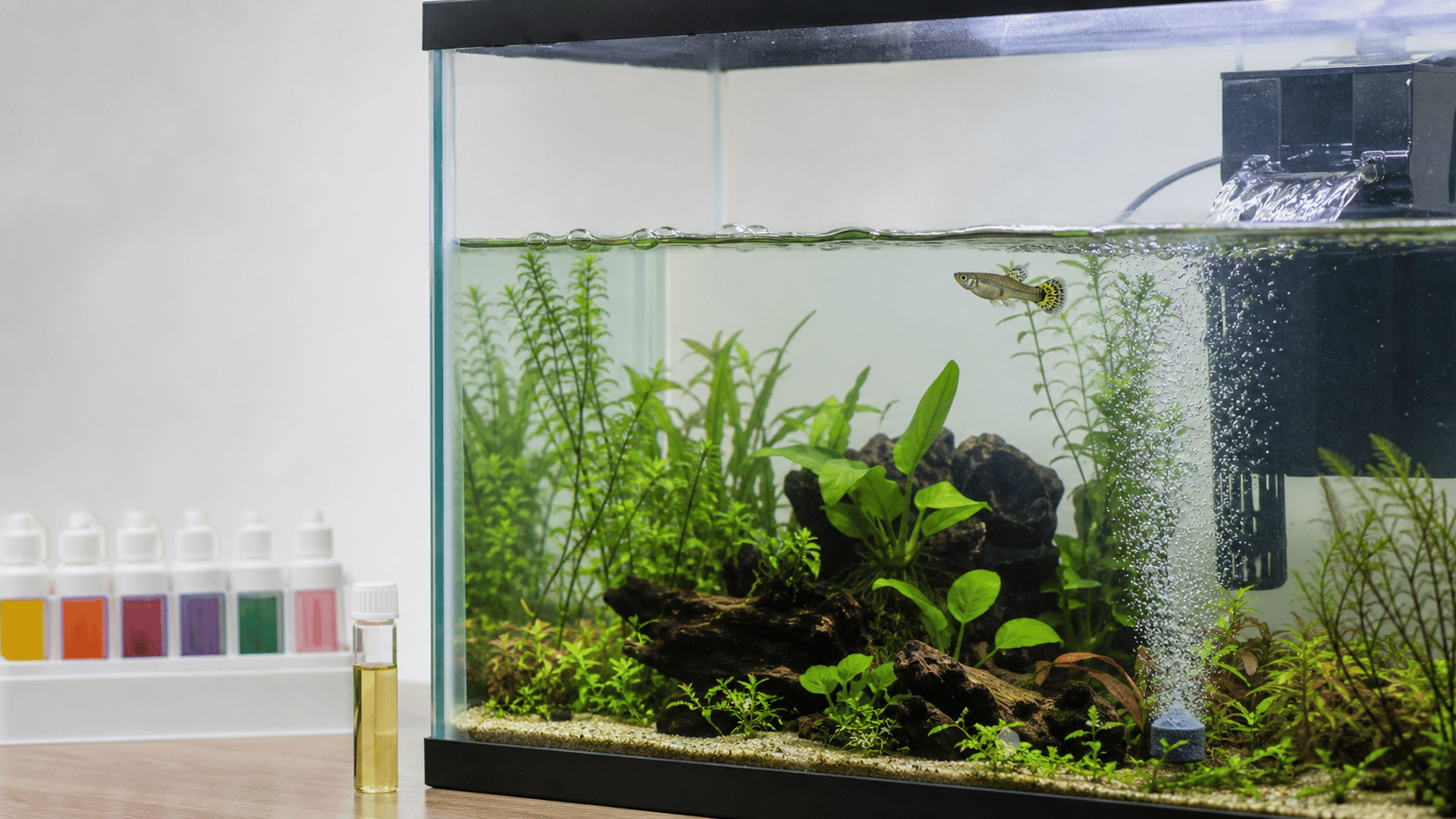
Łapanie powietrza przy powierzchni to pilny objaw, zwykle niedoboru tlenu, zatrucia amoniakiem/azotynami albo problemu ze skrzelami.
Key Takeaways
- Łapanie powietrza przy powierzchni to pilny objaw, zwykle niedoboru tlenu, zatrucia amoniakiem/azotynami albo problemu ze skrzelami.
- Check ammonia, nitrite, nitrate, pH, and temperature before adding medication.
- Treat gasping, ammonia spikes, rapid breathing, or severe lethargy as urgent.
Use the AI Diagnosis Tool
Get a personalized diagnosis based on your specific situation.
Open AI DiagnosisCause Routing: What the Signs Can Mean
Niedobór tlenu
Słabe napowietrzanie, wysoka temperatura lub przeludnienie obniżają tlen.
Amoniak lub azotyny
Podrażniają lub uszkadzają skrzela.
Choroba skrzeli
Możliwa infekcja bakteryjna, grzybicza lub pasożytnicza.
Wysoka temperatura
Cieplejsza woda zatrzymuje mniej tlenu.
What to Test and Check First
- Amoniak (pilne)
- Azotyny (pilne)
- Temperatura
- Napowietrzanie i ruch powierzchni
- Obsada
Do This First
- Observe whether one fish or the whole tank is affected.
- Test ammonia and nitrite before changing treatments.
- Improve aeration and remove uneaten food while you diagnose.
Immediate Safe Actions
- Natychmiast zbadaj amoniak i azotyny
- Zwiększ napowietrzanie
- Wymień część wody przy wykrywalnym amoniaku/azotynach
- Ogranicz karmienie
What Not to Do
- Nie lecz przed oceną wody
- Nie ignoruj tego objawu
When to Seek Help
- Gdy trwa po częściowej podmianie
- Gdy dotyczy wielu ryb
- Przy bardzo wysokim amoniaku/azotynach
Related Fish Guides
Frequently Asked Questions
Dlaczego moja ryba łapie powietrze?
Niedobór tlenu lub zatrucie amoniakiem/azotynami są częste. Natychmiast zbadaj wodę.
This information is for educational purposes only and does not replace professional veterinary advice. If your fish shows severe or persistent symptoms, consult an aquatic veterinarian or experienced local fish store.
Sources and Review Process
- Freshwater aquarium husbandry references for water quality, tank size, and stocking guidance.
- Species profiles and compatibility rules maintained in the AquaScience AI data set.
- Aquarium health guidance is educational and should not replace an aquatic veterinarian for severe symptoms.
Related Care and Problem Guides
Łapanie powietrza przy powierzchni to pilny objaw, zwykle niedoboru tlenu, zatrucia amoniakiem/azotynami albo problemu ze skrzelami.
Tank size, diet, temperature, and common problems for Betta Fish.
Tank size, diet, temperature, and common problems for Corydoras.
Tank size, diet, temperature, and common problems for Goldfish.
Brak apetytu może wynikać ze stresu, jakości wody, choroby, temperatury lub nowego akwarium. Zacznij od testu wody.
Dla ryb dennych może to być normalne; u innych gatunków może oznaczać chorobę, stres lub złą jakość wody.
Skok amoniaku to nagły przypadek: zbadaj wodę, nie dodawaj zwierząt, usuń rozkładające się materiały i obniż amoniak częściową podmianą uzdatnionej wody o tej samej temperaturze.
Białe kropki to często ospa rybia, powszechna choroba pasożytnicza. Wczesne działanie jest ważne, ale potwierdź diagnozę, bo nie każda biała plamka to ospa.
Use this after the initial tests and observations in this guide, not instead of them.
Confirm actual water volume before measuring a partial water change.