
¿Por qué mi pez tiene El pez mantiene las aletas pegadas? Causas y soluciones
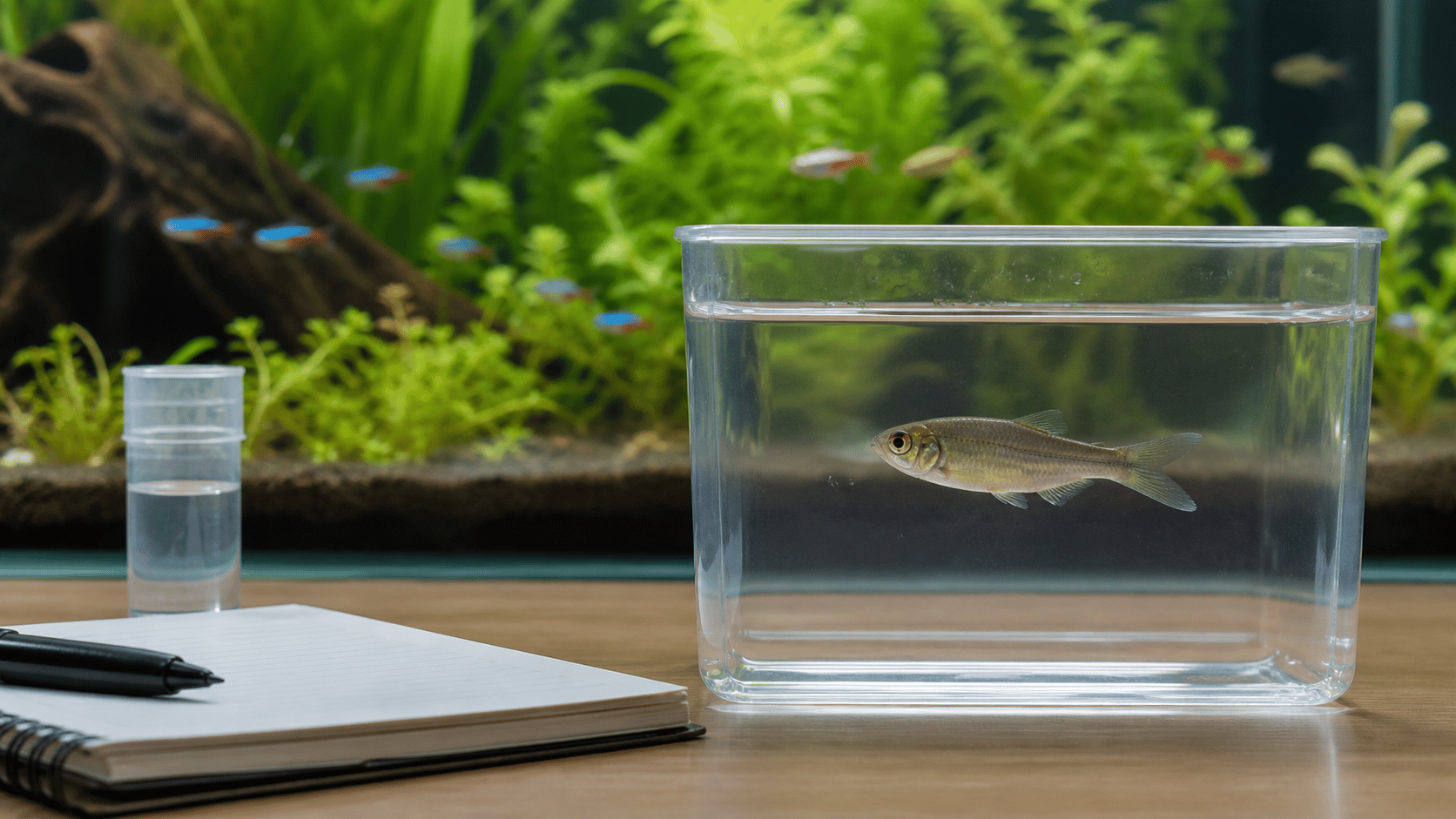
Las aletas pegadas al cuerpo suelen indicar estrés, enfermedad o mala calidad del agua.
Key Takeaways
- Las aletas pegadas al cuerpo suelen indicar estrés, enfermedad o mala calidad del agua.
- Check ammonia, nitrite, nitrate, pH, and temperature before adding medication.
- Treat gasping, ammonia spikes, rapid breathing, or severe lethargy as urgent.
Use the AI Diagnosis Tool
Get a personalized diagnosis based on your specific situation.
Open AI DiagnosisCause Routing: What the Signs Can Mean
Mala calidad del agua
Amoníaco, nitrito o nitrato elevados.
Estrés
Entorno nuevo, acoso o sobrepoblación.
Enfermedad
Infección bacteriana, fúngica o parasitaria.
What to Test and Check First
- Parámetros del agua
- Compañeros
- Otros síntomas
Do This First
- Observe whether one fish or the whole tank is affected.
- Test ammonia and nitrite before changing treatments.
- Improve aeration and remove uneaten food while you diagnose.
Immediate Safe Actions
- Analiza el agua
- Haz un cambio parcial
- Observa síntomas adicionales
What Not to Do
- No mediques sin diagnóstico
When to Seek Help
- Si las aletas siguen pegadas durante varios días
- Si aparecen otros síntomas
Related Fish Guides
Frequently Asked Questions
¿Qué significan las aletas pegadas?
El pez mantiene las aletas cerca del cuerpo; es un signo de estrés, enfermedad o mala calidad del agua.
This information is for educational purposes only and does not replace professional veterinary advice. If your fish shows severe or persistent symptoms, consult an aquatic veterinarian or experienced local fish store.
Sources and Review Process
- Freshwater aquarium husbandry references for water quality, tank size, and stocking guidance.
- Species profiles and compatibility rules maintained in the AquaScience AI data set.
- Aquarium health guidance is educational and should not replace an aquatic veterinarian for severe symptoms.
Related Care and Problem Guides
Las aletas pegadas al cuerpo suelen indicar estrés, enfermedad o mala calidad del agua.
Tank size, diet, temperature, and common problems for Betta Fish.
Tank size, diet, temperature, and common problems for Guppy.
Tank size, diet, temperature, and common problems for Goldfish.
La falta de apetito puede deberse a estrés, mala calidad del agua, enfermedad, temperatura inadecuada o síndrome del acuario nuevo. Comprueba primero los parámetros del agua.
Boquear en la superficie suele indicar poco oxígeno, intoxicación por amoníaco o nitrito, o enfermedad de las branquias. Es una situación urgente.
En peces de fondo puede ser normal; en otras especies puede indicar enfermedad, estrés o mala calidad del agua.
Un pico de amoníaco es una urgencia: analiza el agua, no añadas animales, elimina materia en descomposición y reduce el amoníaco con cambios parciales de agua acondicionada y a temperatura similar.
Use this after the initial tests and observations in this guide, not instead of them.
Confirm actual water volume before measuring a partial water change.